10 Surprising Facts About How Technology Is Changing the World in 2025
Introduction
We live in a time where technology is evolving faster than our imagination. Every day, innovations in artificial intelligence, biotechnology, space, and communication reshape the fabric of society. What once sounded futuristic is now part of our daily lives — from self-driving vehicles to AI assistants writing full articles.
Here are 10 surprising facts about how technology is changing the world in 2025 — some exciting, some a little unsettling, but all deeply transformative.
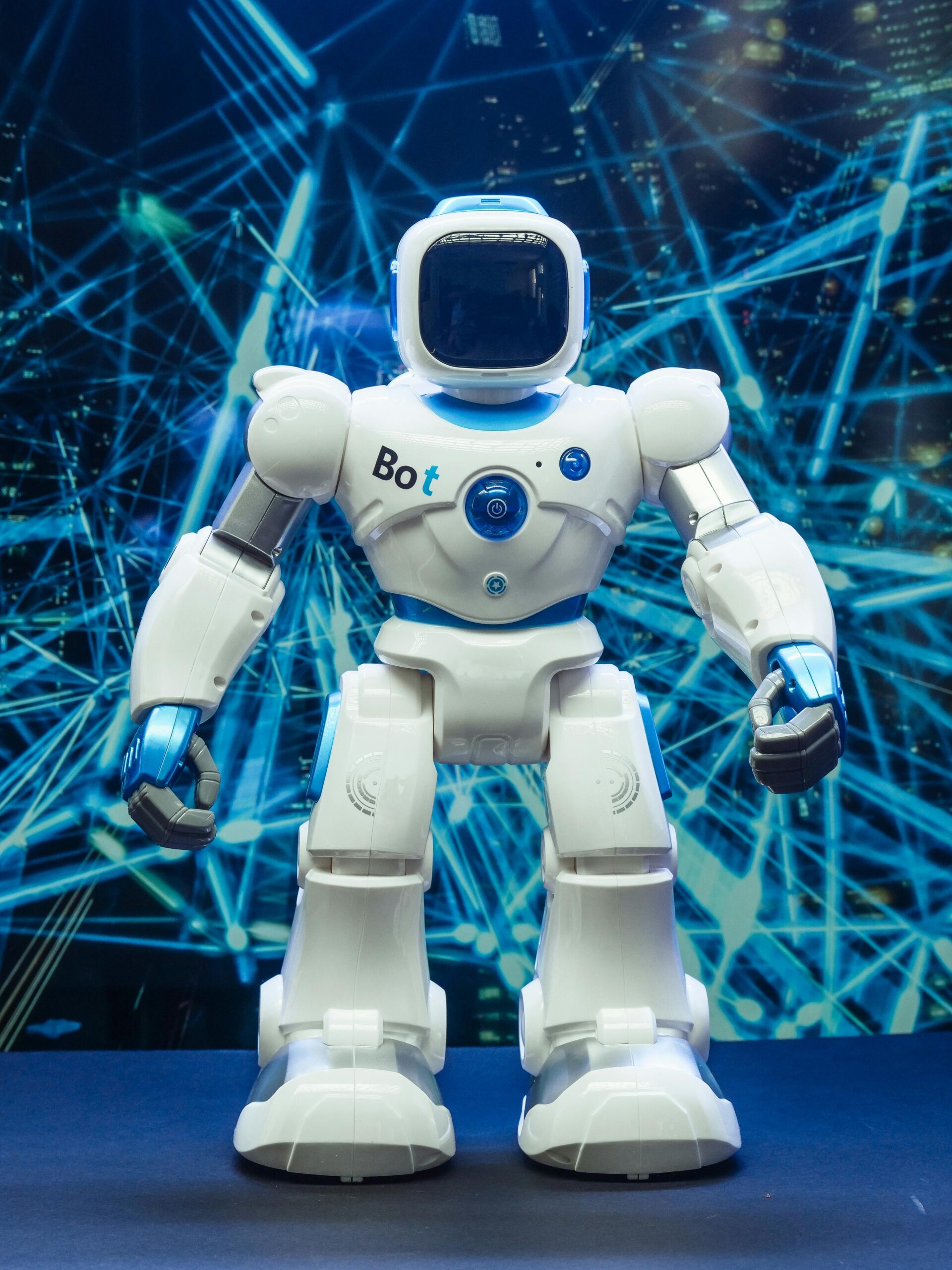
AI is Writing, Designing, and Coding Better Than Ever
Artificial Intelligence has gone from being a tool to a creative partner. Platforms like ChatGPT, Claude, and Midjourney are enabling individuals and businesses to generate full projects — from code to marketing campaigns — in minutes.
In 2025, AI contributes to over 30% of new digital content published online.
Space-Based Internet Is Connecting the Unconnected
Thanks to satellite constellations like Starlink and OneWeb, remote villages, deserts, and oceans now have broadband internet access.
As of early 2025, more than 5,000 satellites orbit Earth to keep the world online — narrowing the digital divide faster than any fiber network ever could.


Real-Time Translation Is Breaking Language Barriers
With AI-powered translation tools integrated into smartphones and AR glasses, people can speak in their native language and be instantly understood across the world.
By 2025, over 700 million people use real-time translation daily — transforming tourism, global work, and diplomacy.
Biotechnology Is Rewriting Medicine
Gene-editing tools like CRISPR-Cas9 are being used to treat rare diseases and even prevent inherited disorders.
Personalized medicine — where treatments are tailored to your DNA — is becoming mainstream, offering hope for previously incurable conditions.

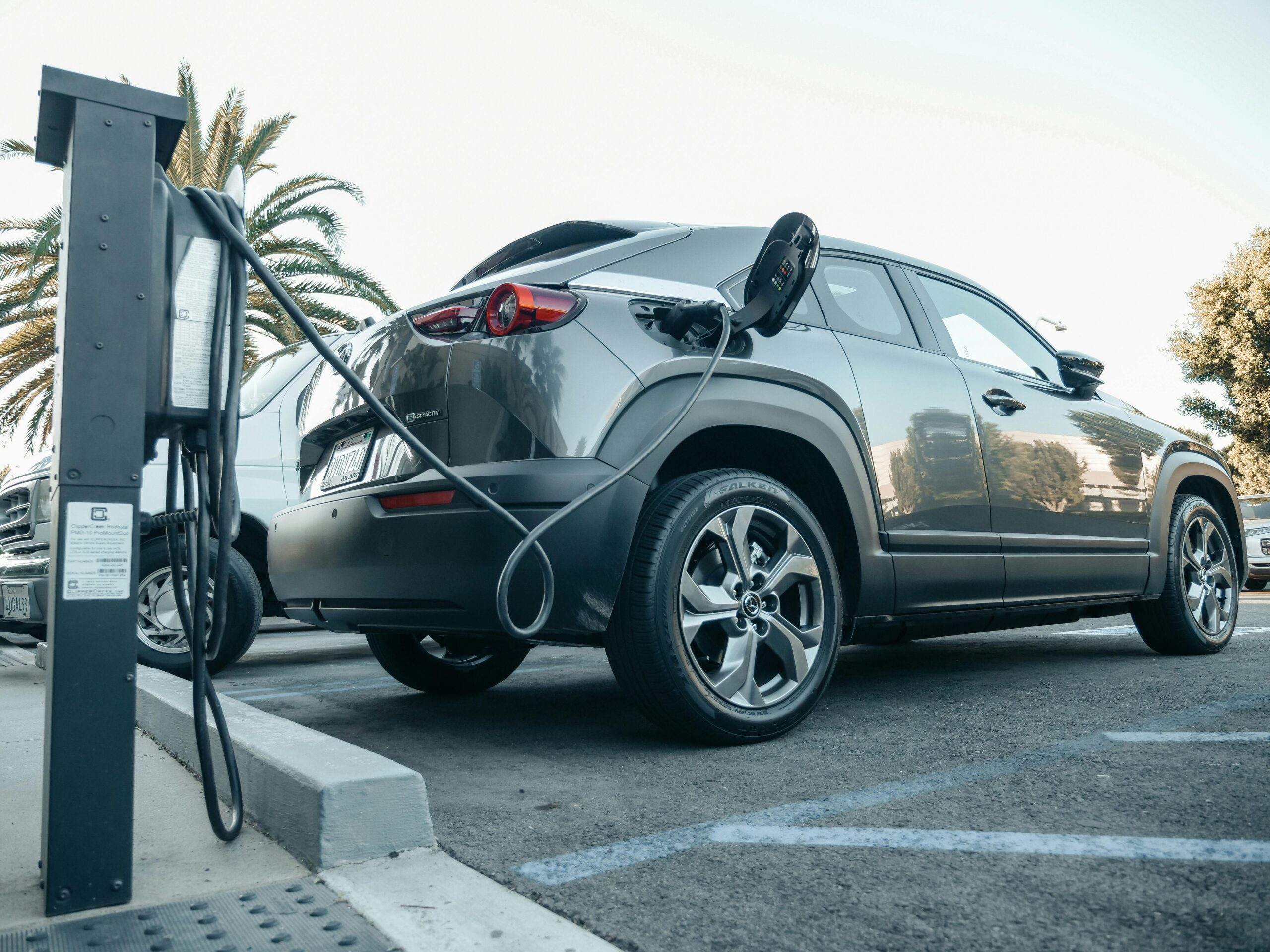
Autonomous Vehicles Are Finally Going Mainstream
After years of testing, self-driving cars and delivery drones have gained government approval in several major cities.
In 2025, autonomous taxis are operational in parts of the U.S., China, and Europe, reshaping transportation and logistics forever.
Brain–Computer Interfaces Are No Longer Sci-Fi
Companies like Neuralink and Synchron are testing brain chips that help paralyzed patients control digital devices just by thinking.
This breakthrough could soon allow humans to interact with technology using thought alone, blurring the line between biology and machine.
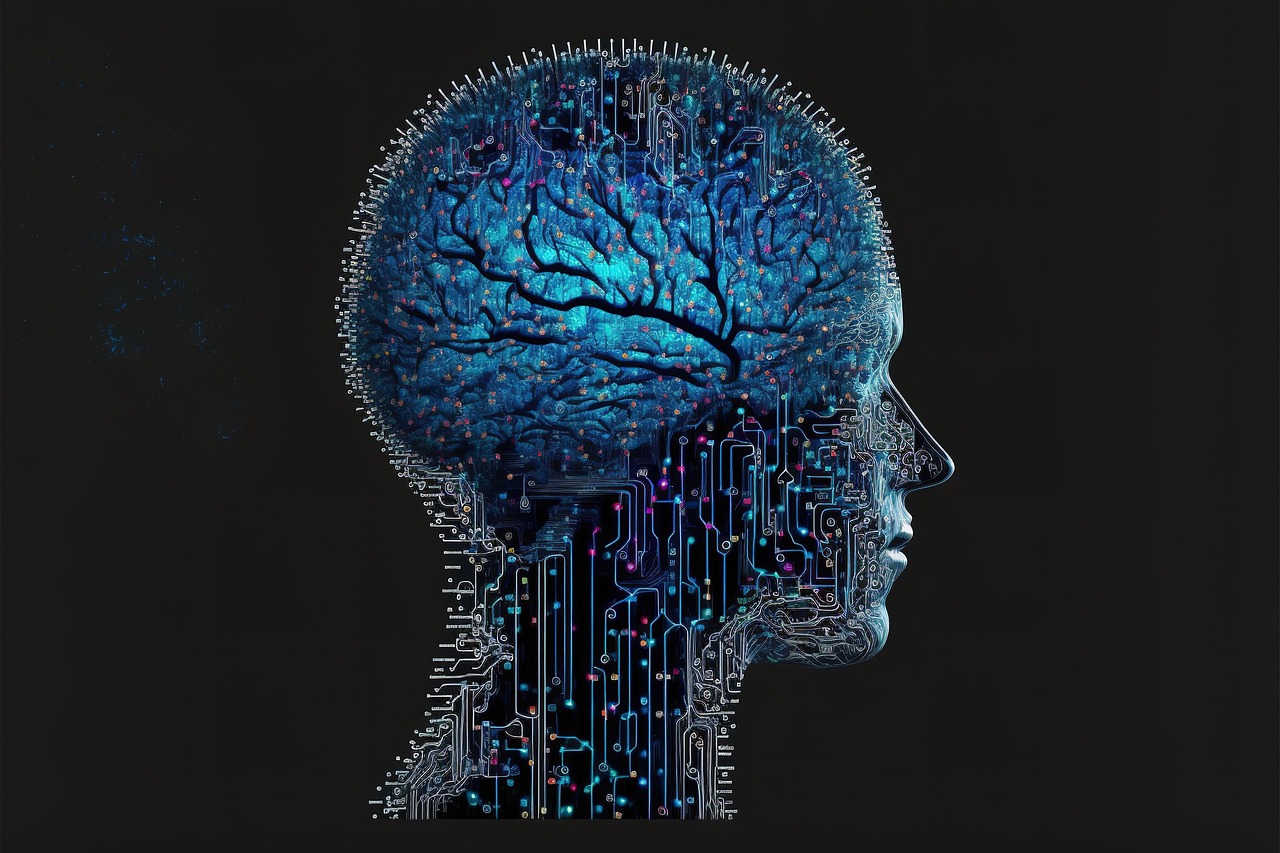

Green Tech Is Fighting Climate Change
From AI-managed energy grids to lab-grown meat, technology is at the center of the climate fight.
In 2025, global investment in clean tech surpassed $2 trillion, with renewable energy now producing over 35% of the world’s power.
Work Is Global — But Digital
Freelancers, remote workers, and AI collaborators form the backbone of the new digital economy.
Platforms like Upwork, Fiverr, and Deel now host millions of AI-assisted professionals, redefining what a “team” means in the 21st century.


The Metaverse Is Quietly Evolving Into the “Spatial Web”
While hype around the metaverse cooled, it’s quietly evolving into something far more practical: the spatial web.
Blending augmented reality, 3D internet, and real-world data, this technology will power industries from design to education in a seamless virtual–physical blend.
Digital Currency and Blockchain Are Powering Trust
Beyond cryptocurrency, blockchain now supports supply chains, contracts, and even voting systems.
In 2025, more than 100 countries are testing or deploying digital currencies (CBDCs) — paving the way for a more transparent financial world.