
How Artificial Intelligence Is Changing Everyday Life in 2026
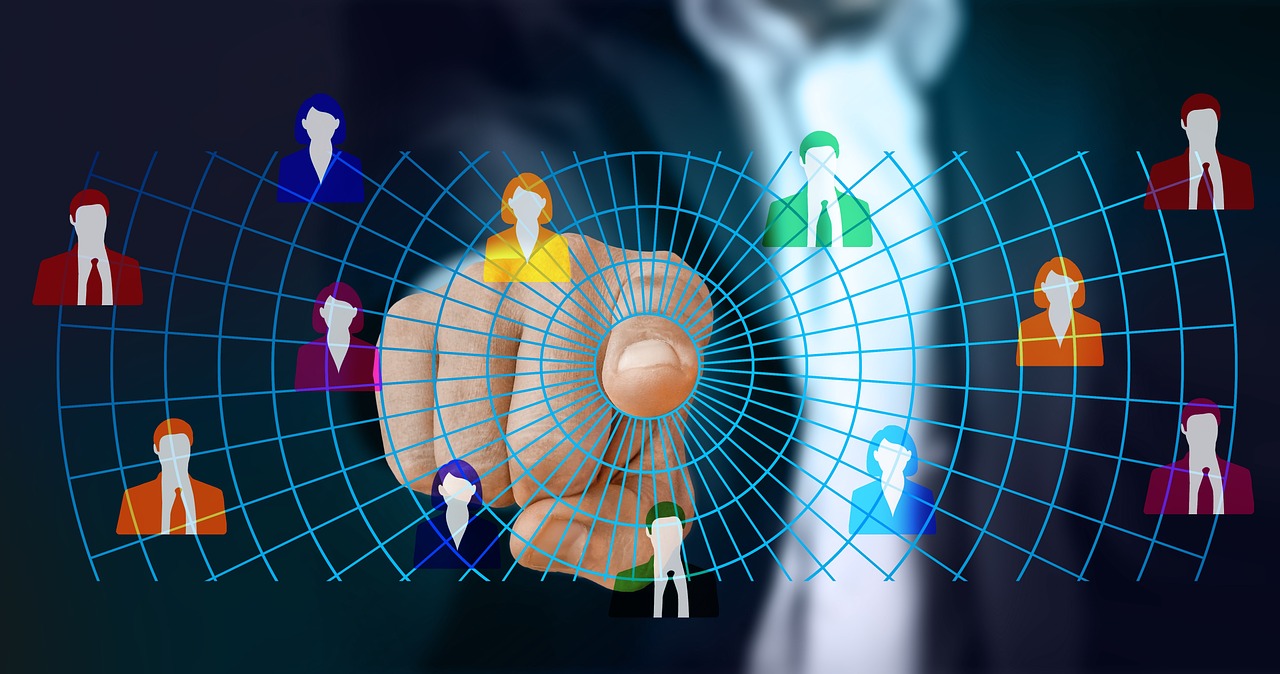
Artificial Intelligence (AI) has evolved from a futuristic concept into a practical technology that influences nearly every aspect of modern life. In 2025, AI is deeply integrated into how we communicate, work, shop, travel, and manage our health. Its rapid development continues to redefine efficiency, personalization, and decision-making across industries.
AI in Everyday Technology
Most digital tools people use daily are now powered by AI. Smartphones rely on artificial intelligence for facial recognition, camera optimization, battery management, and voice commands. Search engines use AI to deliver more accurate and personalized results, while social media platforms use algorithms to curate content based on individual preferences.
Smart home devices such as voice-controlled assistants, smart thermostats, and security systems further demonstrate how AI enhances convenience and safety at home.
AI in Business and the Workplace
Businesses increasingly depend on AI to improve productivity and reduce operational costs. Automated customer support through chatbots ensures faster responses, while AI-driven analytics help companies understand consumer behavior and forecast demand.
In offices, professionals use AI-powered tools for writing, data analysis, scheduling, and project management. Rather than replacing jobs entirely, AI is reshaping roles by allowing workers to focus on creative and strategic responsibilities.

AI in Healthcare
Healthcare is one of the most impactful areas of AI adoption. AI assists doctors in diagnosing diseases earlier through medical imaging analysis and predictive modeling. Wearable devices monitor vital health indicators and provide real-time insights, encouraging preventive care and healthier lifestyles.
AI also supports medical research by accelerating drug discovery and treatment planning, ultimately improving patient outcomes.
Ethical and Social Considerations
Despite its advantages, AI raises concerns related to data privacy, bias, and job displacement. Responsible development, transparent algorithms, and strong regulatory frameworks are essential to ensure ethical AI usage.
Conclusion
Artificial Intelligence is fundamentally changing everyday life in 2025. Understanding how to use AI responsibly and effectively will be a crucial skill for individuals and organizations navigating the digital future.
