
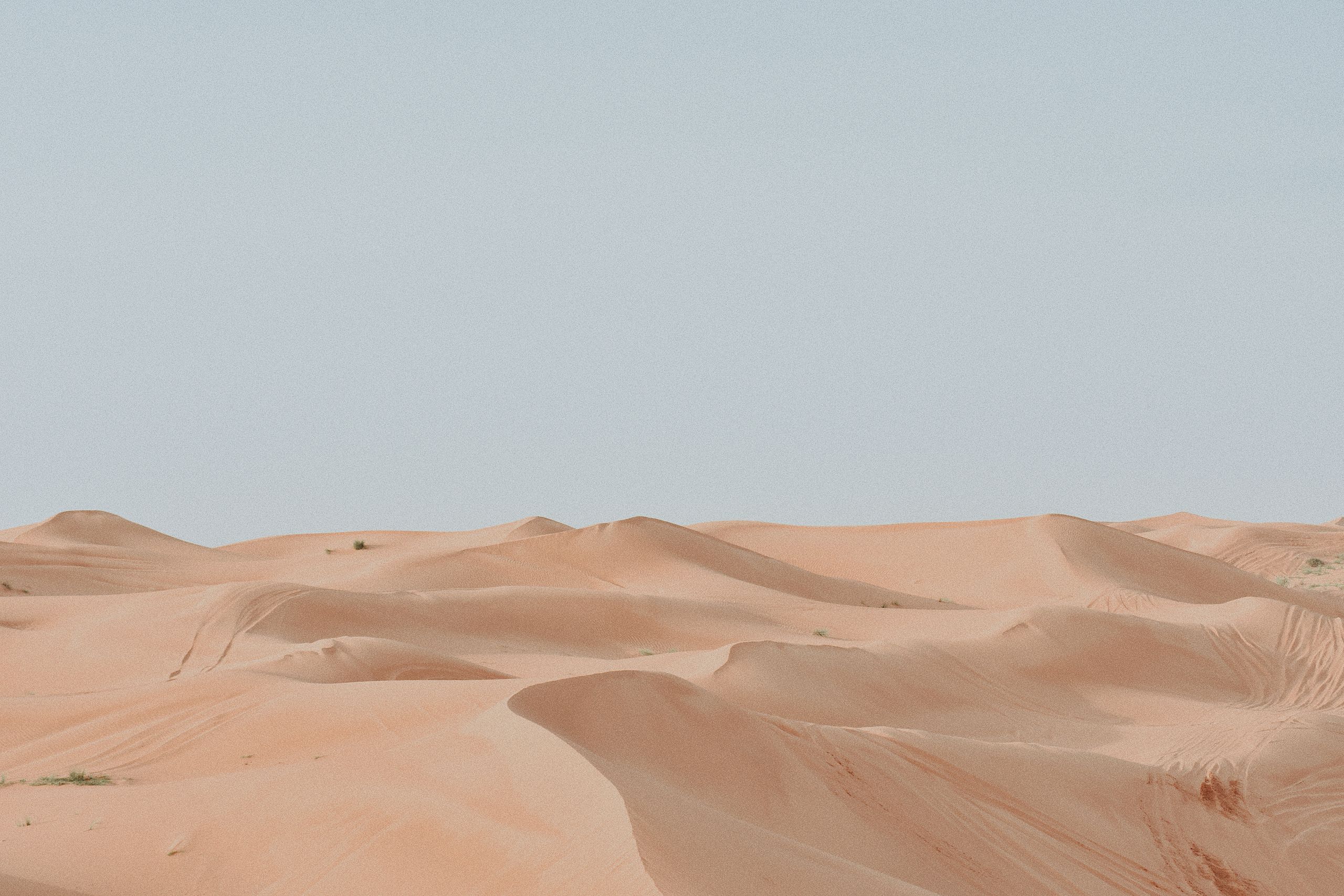
Top 10 Largest Deserts in the World (2026): Area, Location & Amazing Facts
Introduction
When people hear the word desert, they often imagine endless sand dunes and scorching heat. However, deserts are much more diverse than that. A desert is defined by its lack of rainfall rather than its temperature. This means that some of the largest deserts in the world are actually covered with snow and ice instead of sand.
From the icy wilderness of Antarctica to the golden dunes of the Sahara, deserts cover nearly one-third of Earth’s land surface. These vast landscapes support unique ecosystems, rare wildlife, and fascinating geological formations. They also play an important role in regulating Earth’s climate and preserving biodiversity.
In this article, we’ll explore the top 10 largest deserts in the world, ranked by total area. You’ll discover where they are located, their size, climate, and interesting facts that make each one unique.
What Is a Desert?
A desert is a region that receives less than 250 mm (10 inches) of rainfall annually. Deserts can be extremely hot or extremely cold. Despite their harsh conditions, many plants and animals have adapted to survive in these environments.
There are four main types of deserts:
- Polar deserts
- Subtropical deserts
- Coastal deserts
- Cold winter deserts
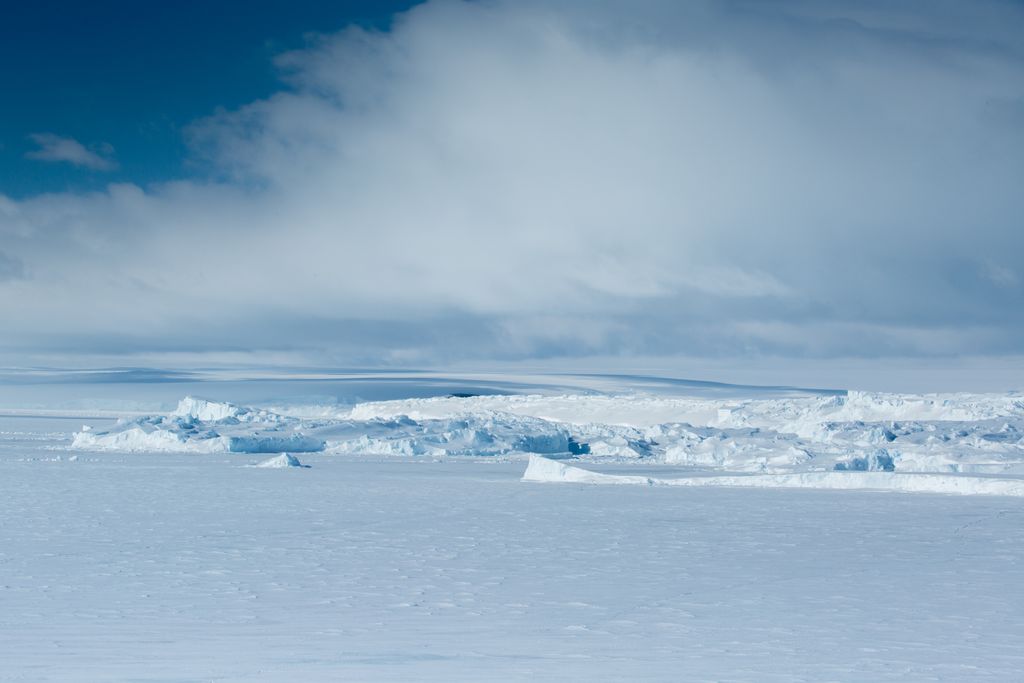
1. Antarctic Desert
Area: Approximately 14.2 million km²
Location: Antarctica
The Antarctic Desert is the largest desert in the world. Although it is covered by ice, it qualifies as a desert because it receives very little precipitation throughout the year.
Interesting Facts
- Largest desert on Earth.
- Coldest place on the planet.
- Contains about 70% of Earth’s freshwater.
- Home to penguins, seals, and scientific research stations.
2. Arctic Desert
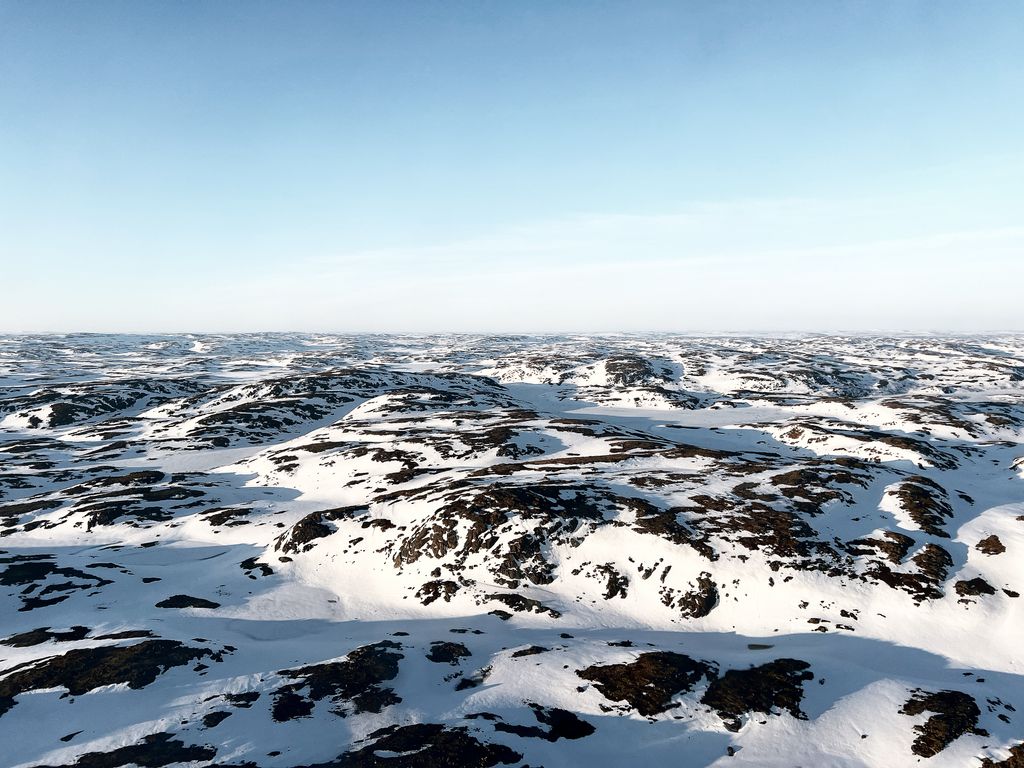
Area: Approximately 13.9 million km²
Location: Arctic Region
The Arctic Desert stretches across northern Canada, Greenland, Russia, Norway, and Alaska.
Interesting Facts
- Second-largest desert.
- Temperatures can fall below −40°C.
- Home to polar bears and Arctic foxes.
- Experiences months of continuous daylight and darkness.
3. Sahara Desert
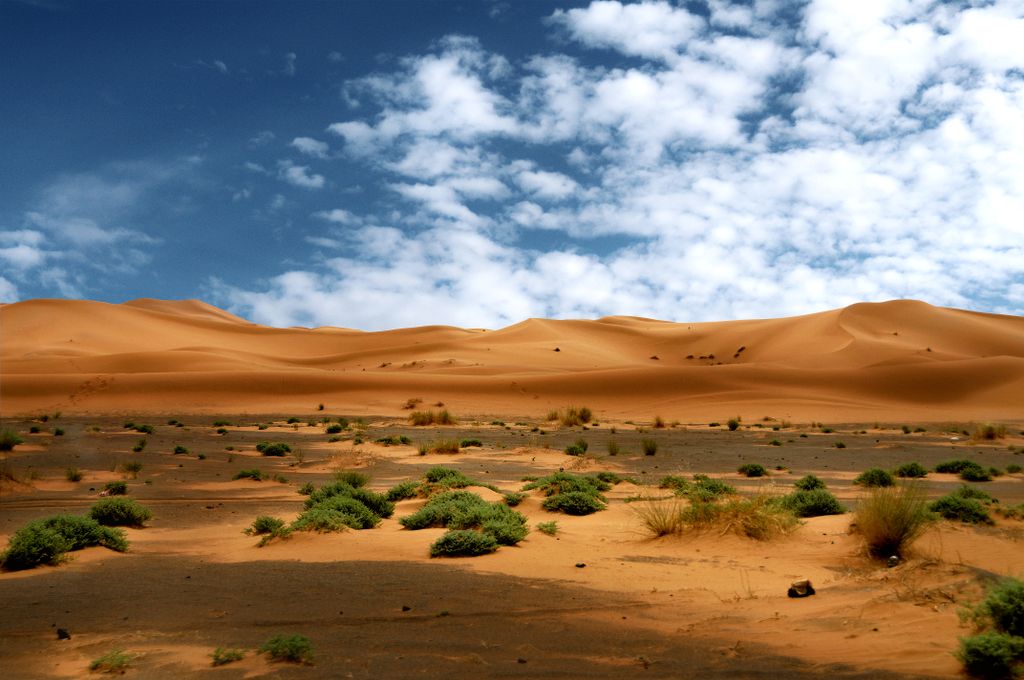
Area: Approximately 9.2 million km²
Location: North Africa
The Sahara is the world’s largest hot desert and stretches across 11 African countries.
Interesting Facts
- Largest hot desert.
- Contains enormous sand dunes.
- Temperatures can exceed 50°C.
- Home to camels and desert foxes.
4. Arabian Desert
Area: Approximately 2.33 million km²
Location: Arabian Peninsula
The Arabian Desert covers much of Saudi Arabia and neighboring countries.
Interesting Facts
- Rich in oil reserves.
- Includes the Rub’ al Khali (Empty Quarter).
- One of the driest places on Earth.
- Home to Arabian oryx.
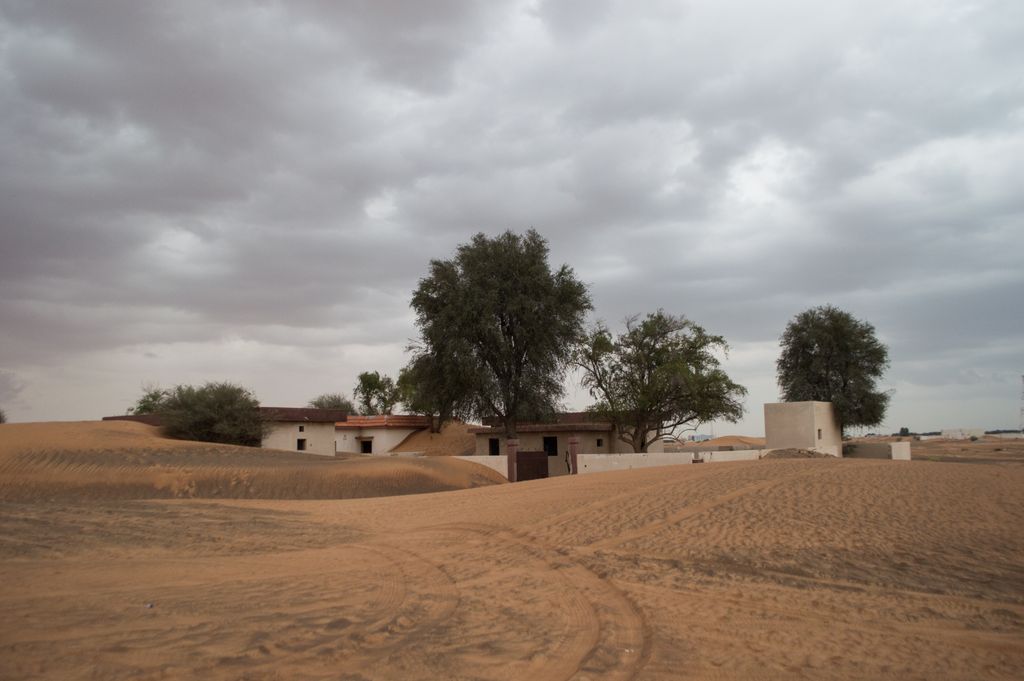
5. Gobi Desert
Area: Approximately 1.3 million km²
Location: Mongolia and China
The Gobi Desert is famous for dinosaur fossils and dramatic landscapes.
Interesting Facts
- Cold winter desert.
- Snowfall is common.
- Important Silk Road route.
- Rich fossil discoveries.
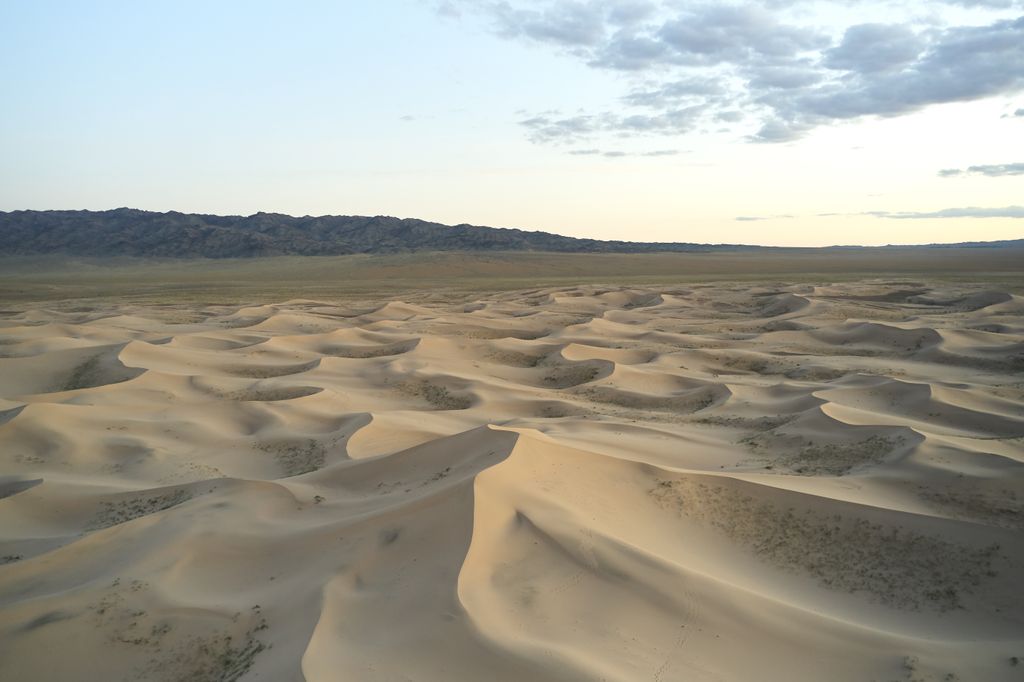
6. Kalahari Desert
Area: Approximately 900,000 km²
Location: Botswana, Namibia, and South Africa
The Kalahari receives more rainfall than many deserts but still has vast arid regions.
Interesting Facts
- Home to meerkats and lions.
- Famous for red sand.
- Supports indigenous San communities.
- Rich wildlife.
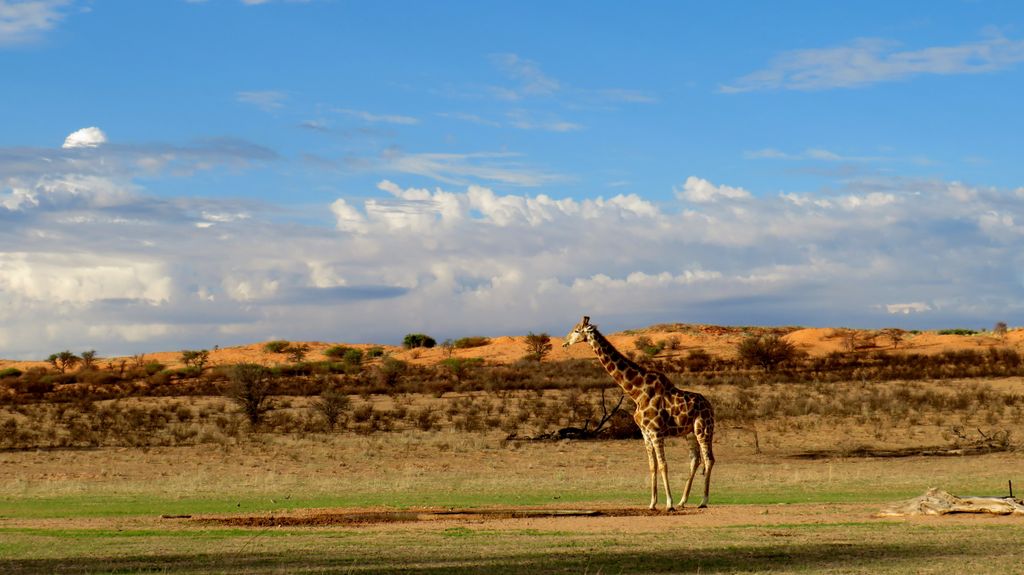
7. Patagonian Desert
Area: Approximately 673,000 km²
Location: Argentina
The Patagonian Desert is South America’s largest desert.
Interesting Facts
- Strong winds year-round.
- Spectacular mountain scenery.
- Home to guanacos and rheas.
- Cold, dry climate.
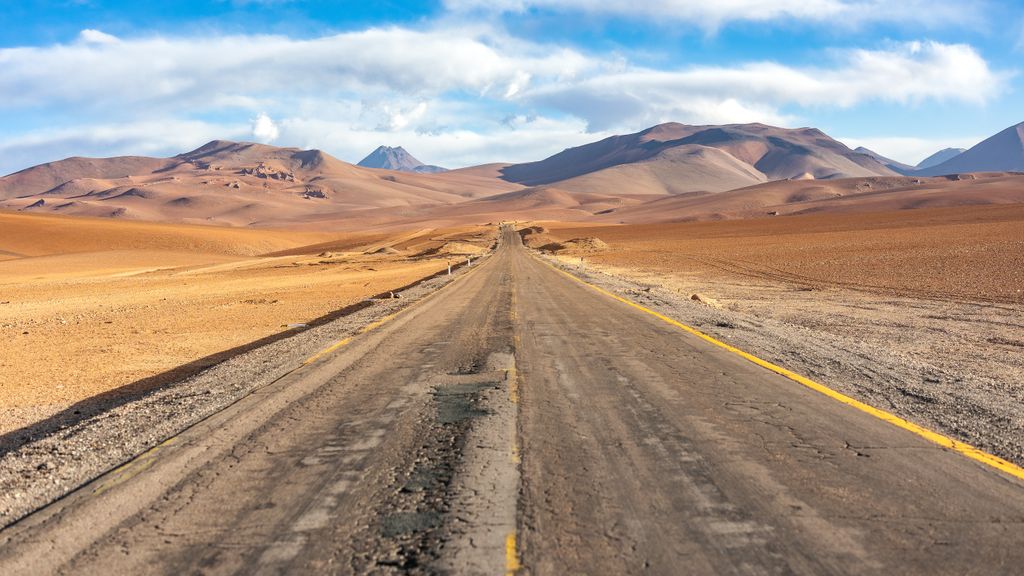
8. Great Victoria Desert
Area: Approximately 647,000 km²
Location: Australia
Australia’s largest desert is known for its sand dunes and Aboriginal heritage.
Interesting Facts
- Australia’s biggest desert.
- Rich Indigenous culture.
- Diverse reptiles.
- Beautiful wildflowers after rainfall.
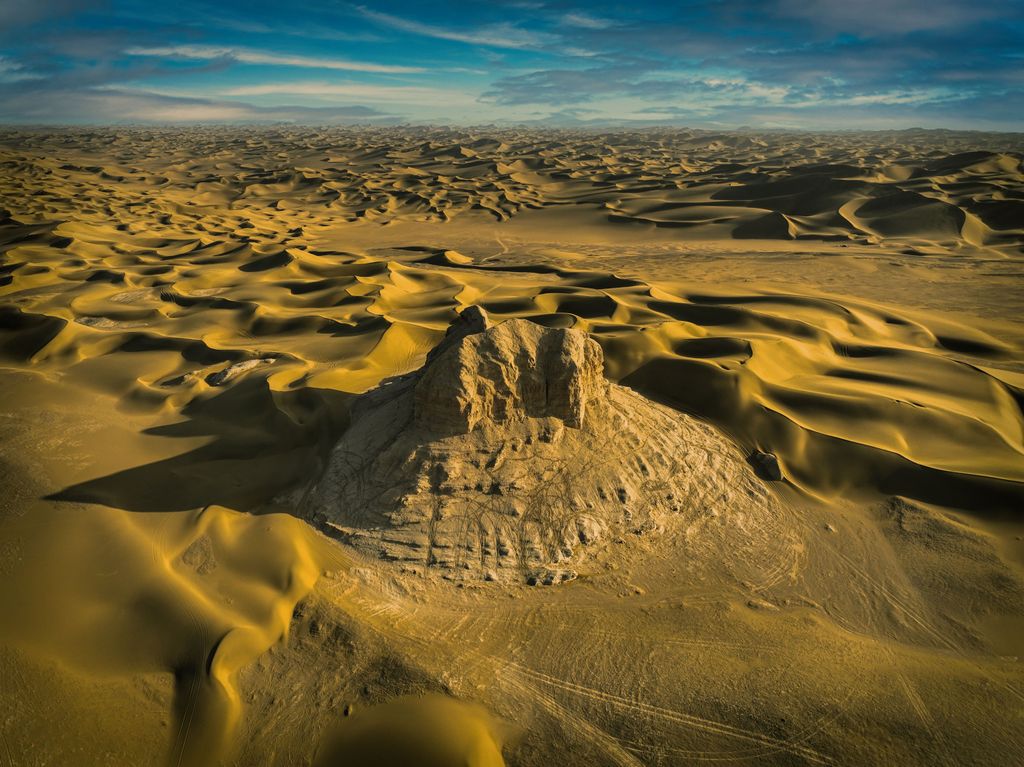
9. Syrian Desert
Area: Approximately 500,000 km²
Location: Syria, Jordan, Iraq, and Saudi Arabia
The Syrian Desert has historically served as an important trade route.
Interesting Facts
- Rocky plateaus.
- Ancient caravan routes.
- Home to desert wildlife.
- Rich archaeological sites.
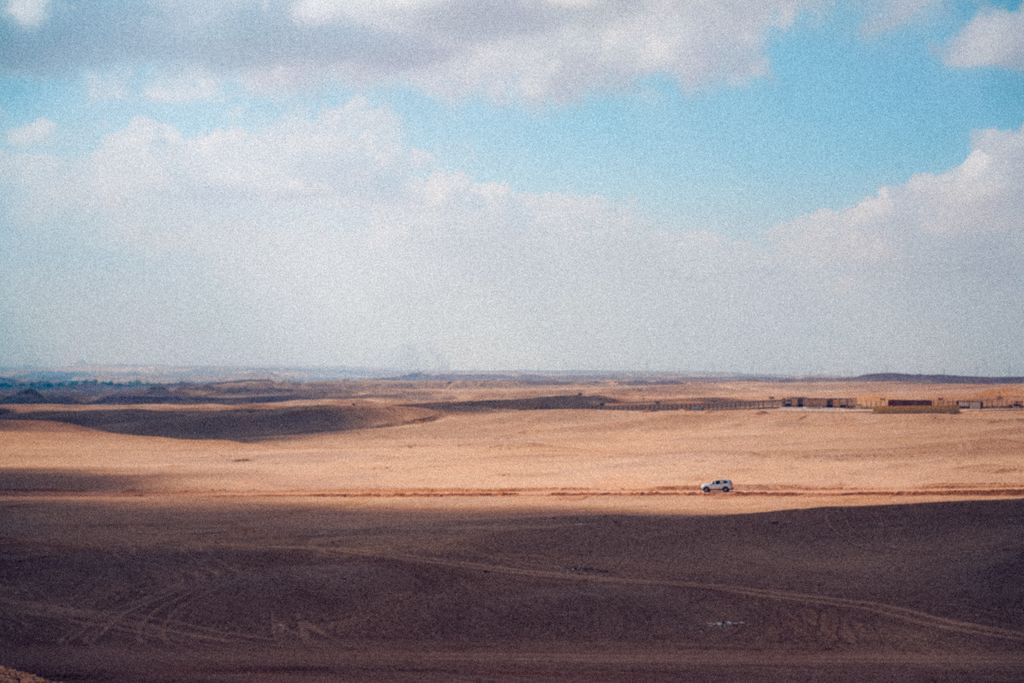
10. Great Basin Desert
Area: Approximately 492,000 km²
Location: United States
The Great Basin is North America’s largest desert.
Interesting Facts
- Cold desert.
- Home to sagebrush ecosystems.
- Receives winter snowfall.
- Famous for Great Basin National Park.
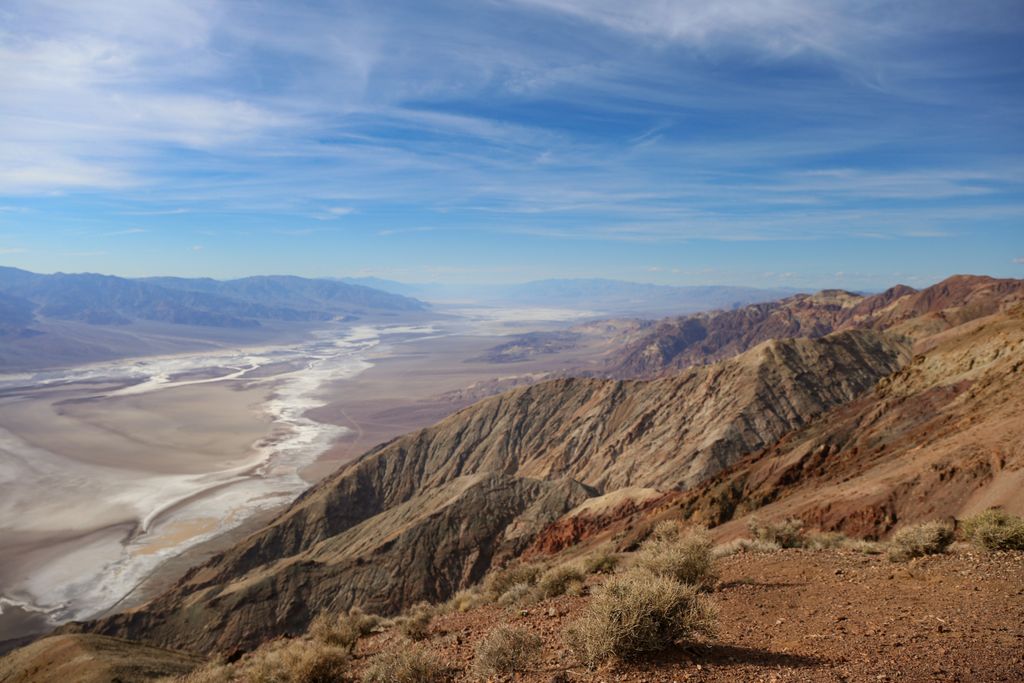
Why Deserts Are Important
The largest deserts in the world are far more than empty landscapes. They regulate Earth’s climate, influence global weather patterns, preserve unique ecosystems, and contain valuable natural resources. Many deserts are also home to indigenous communities whose cultures have adapted to these challenging environments over thousands of years.
Scientists study deserts to understand climate change, biodiversity, and Earth’s geological history. Desert ecosystems also attract millions of tourists every year, contributing to local economies.
Conclusion
The largest deserts in the world demonstrate the incredible diversity of our planet. From the frozen Antarctic Desert to the sun-scorched Sahara and the fossil-rich Gobi, each desert tells a unique story about Earth’s geography and climate.
Whether you’re fascinated by geography, planning your next adventure, or simply curious about our planet, these remarkable deserts deserve a place on your list of natural wonders.
Continue exploring the world through our growing World Facts series and discover more amazing places that make Earth extraordinary.
Frequently asked questions (fAQ)
The Antarctic Desert is the largest desert in the world, covering approximately 14.2 million square kilometers.
The Sahara Desert is the largest hot desert on Earth.
Antarctica receives very little annual precipitation, making it a polar desert despite its ice-covered landscape.
The Arabian Desert is the largest desert in Asia.
The Gobi Desert is one of the world’s richest fossil sites and has yielded many important dinosaur discoveries.
The Great Victoria Desert is Australia’s largest desert.
No. Many deserts are covered with ice, rocks, gravel, or salt flats rather than sand.
Deserts help regulate climate, preserve biodiversity, support unique wildlife, and provide valuable scientific information.
From the towering dunes of the Sahara to the icy landscapes of Antarctica, every desert offers a unique adventure for travelers and nature lovers.
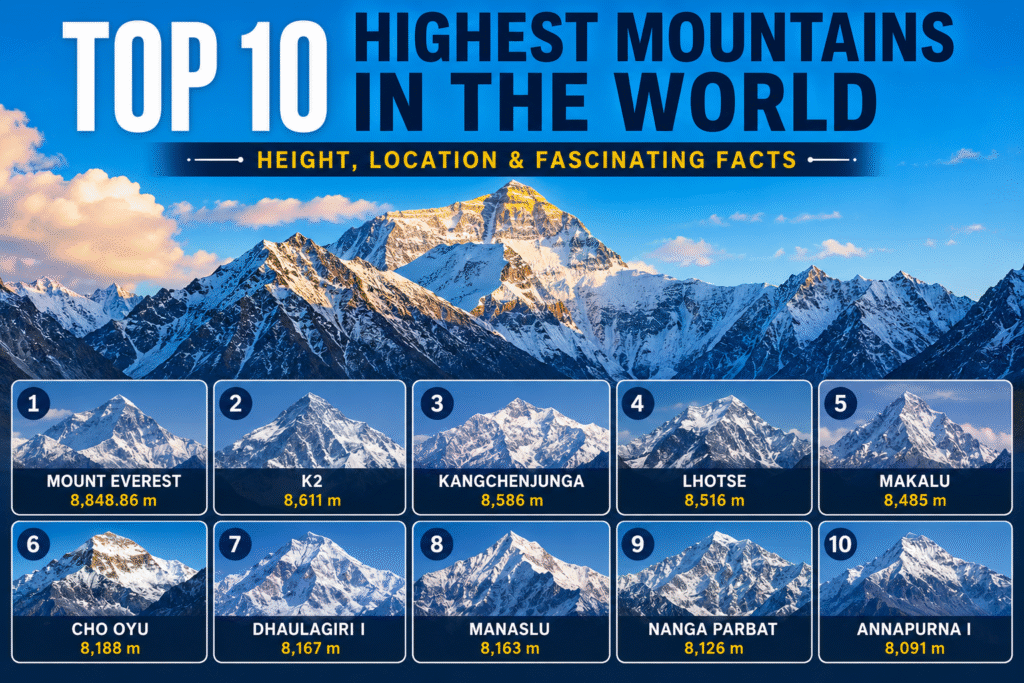
If you enjoy exploring Earth’s natural wonders, don’t miss our guide to the Top 10 Highest Mountains in the World, featuring Mount Everest, K2, and other iconic peaks.
You may also enjoy our article on the Top 10 Longest Rivers in the World, where you’ll discover the Nile, Amazon, Yangtze, and other remarkable waterways.
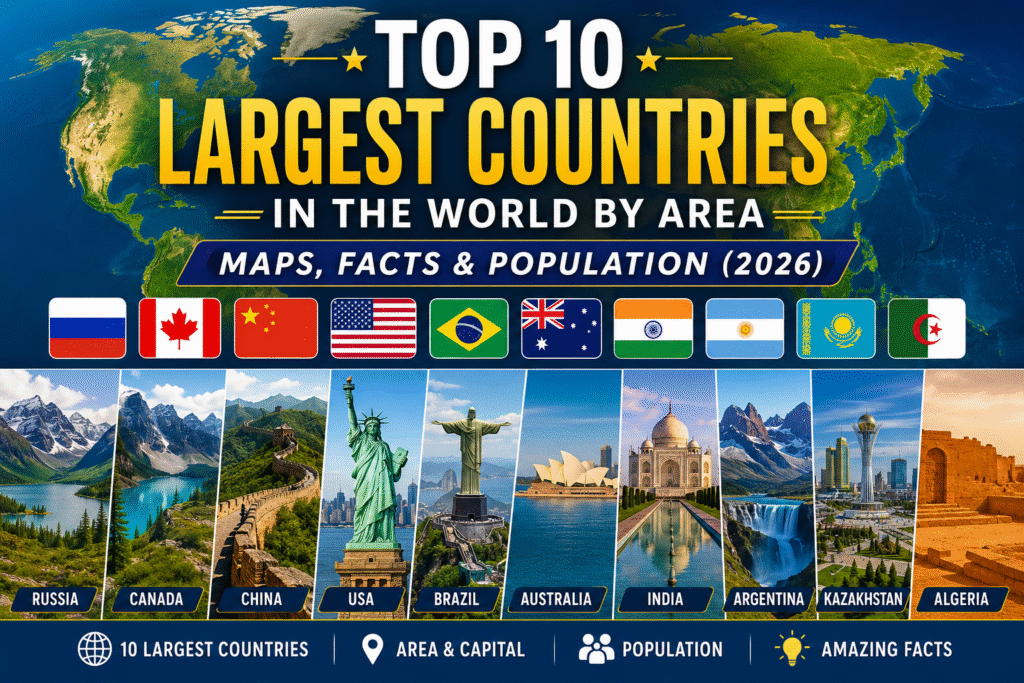
Continue your geography journey with our article on the Top 10 Largest Countries in the World, exploring their land area, capitals, and fascinating facts.
Learn more about deserts, wildlife, and natural landscapes from National Geographic.
Additional geographical information about deserts is available on Encyclopaedia Britannica.
Learn how desert ecosystems are protected through the United Nations Environment Programme (UNEP).

I was reading some of your content on this site and I conceive this website is rattling instructive! Retain posting.