Top 10 Highest Mountains in the World: Height, Location, and Fascinating Facts
Introduction
The highest mountains in the world are among Earth’s most spectacular natural wonders. From Mount Everest to Annapurna I, these peaks attract climbers and travelers from around the globe.
The world’s highest mountains have fascinated explorers and scientists for centuries. According to National Geographic, Mount Everest remains the highest point on Earth. The highest mountains in the world have fascinated explorers and adventurers for centuries.
Most of the highest peaks are located in the Himalayas and Karakoram ranges of Asia. These towering giants rise above the clouds and offer some of the most spectacular scenery on Earth.
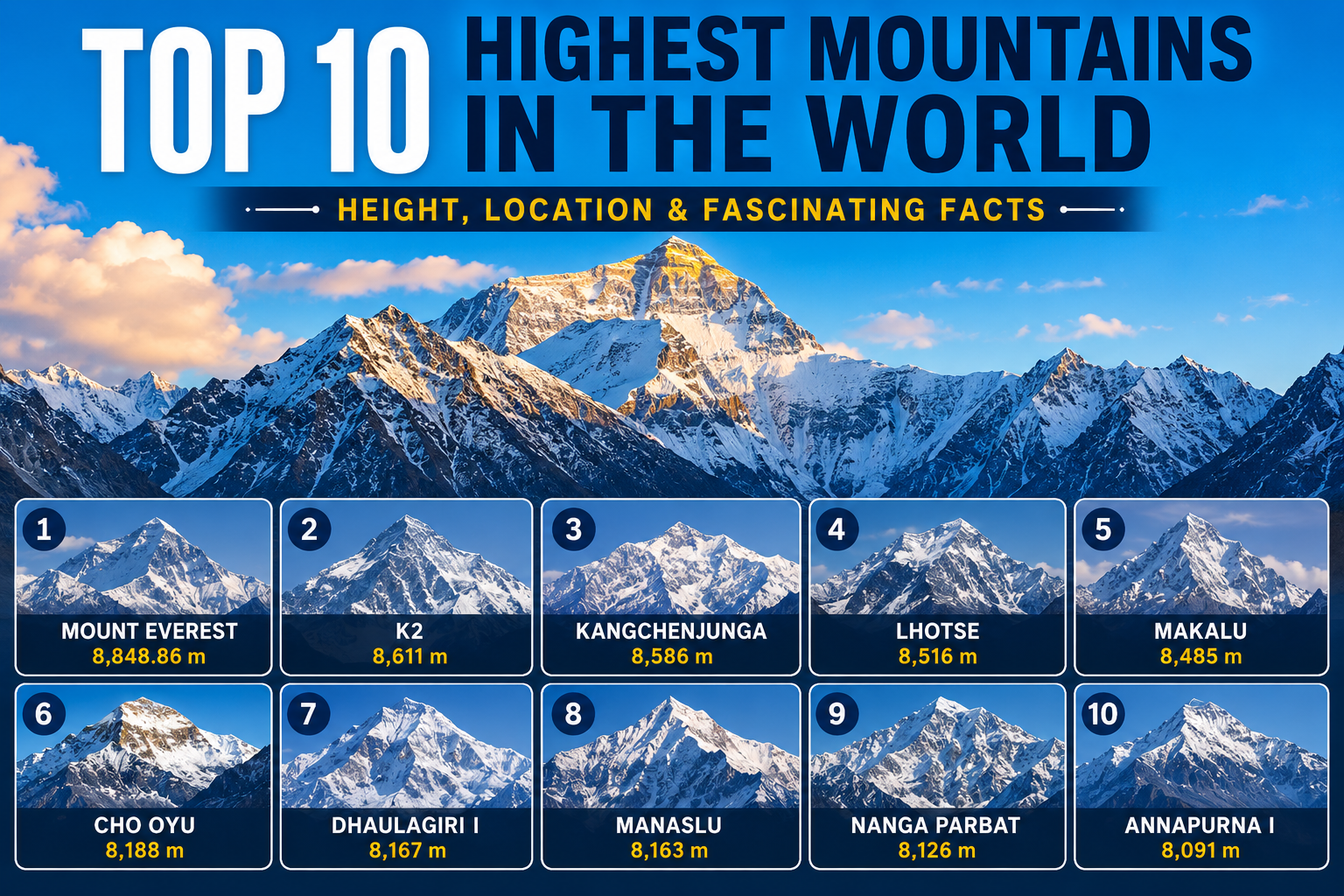
Here are the top 10 highest mountains in the world, along with their heights, locations, and interesting facts.
Here are the top 10 highest mountains in the world, ranked by elevation.
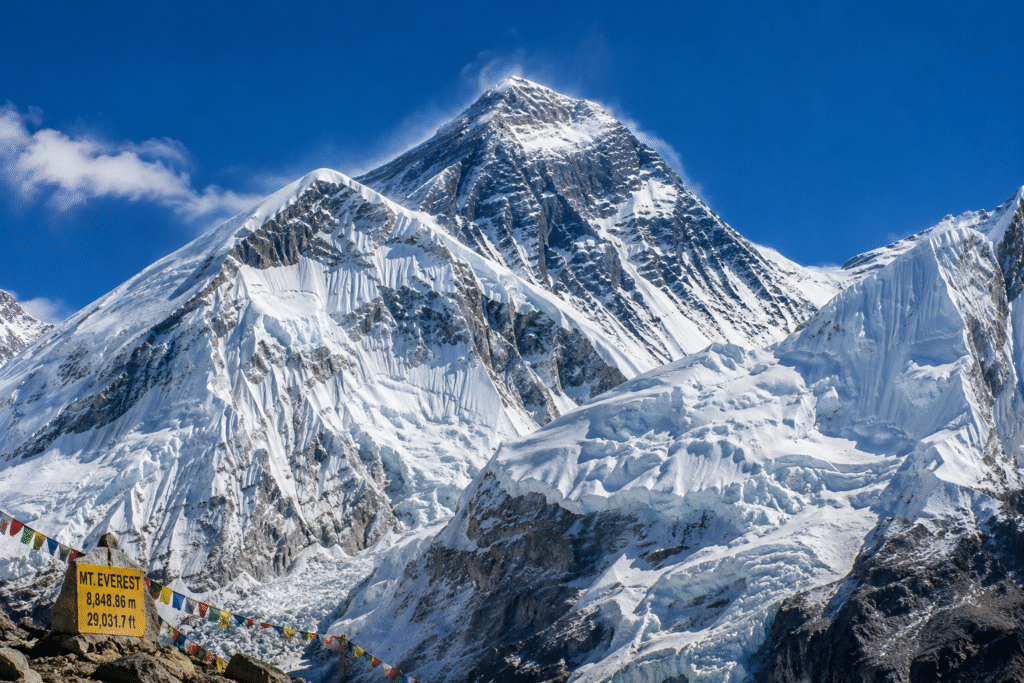
1. Mount Everest
Height: 8,848.86 meters (29,031.7 feet)
Location: Nepal-China Border
Description
Mount Everest is the highest mountain in the world and part of the Himalayan range. It attracts hundreds of climbers every year despite its dangerous conditions.
Interesting Facts
- First climbed in 1953 by Sir Edmund Hillary and Tenzing Norgay.
- Known as Sagarmatha in Nepal.
- Temperatures can drop below -60°C.
Learn more about Mount Everest from National Geographic.
2. K2
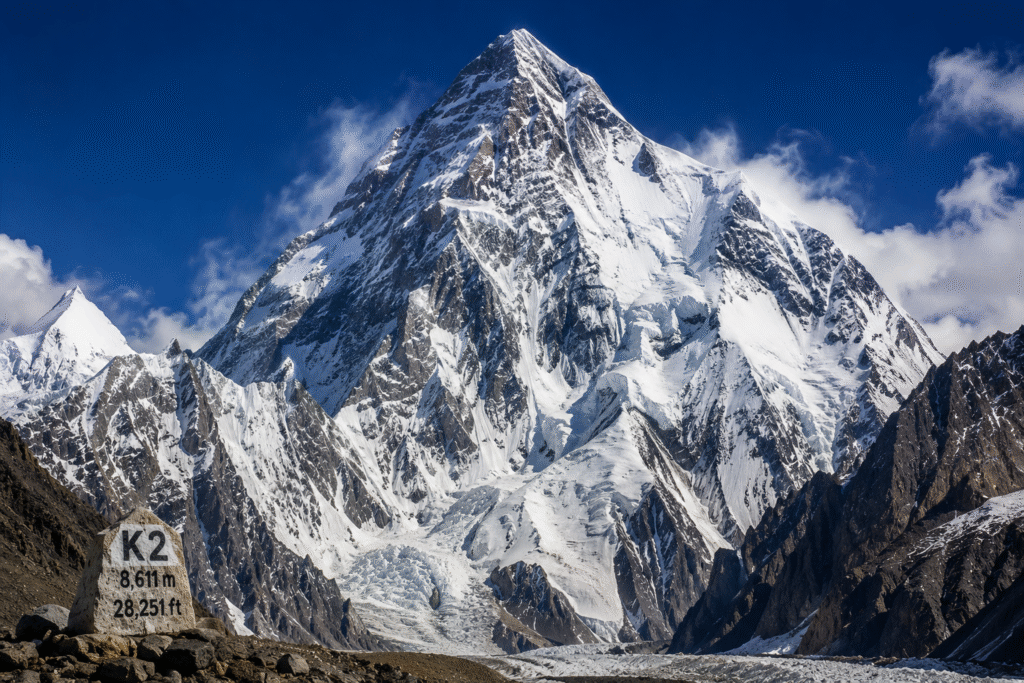
Height: 8,611 meters (28,251 feet)
Location: Pakistan-China Border
Description
K2 is the second-highest mountain in the world and is considered one of the most difficult mountains to climb.
Interesting Facts
- Nicknamed “The Savage Mountain.”
- Has one of the highest fatality rates among major peaks.
- Located in the Karakoram Range.
3. Kangchenjunga
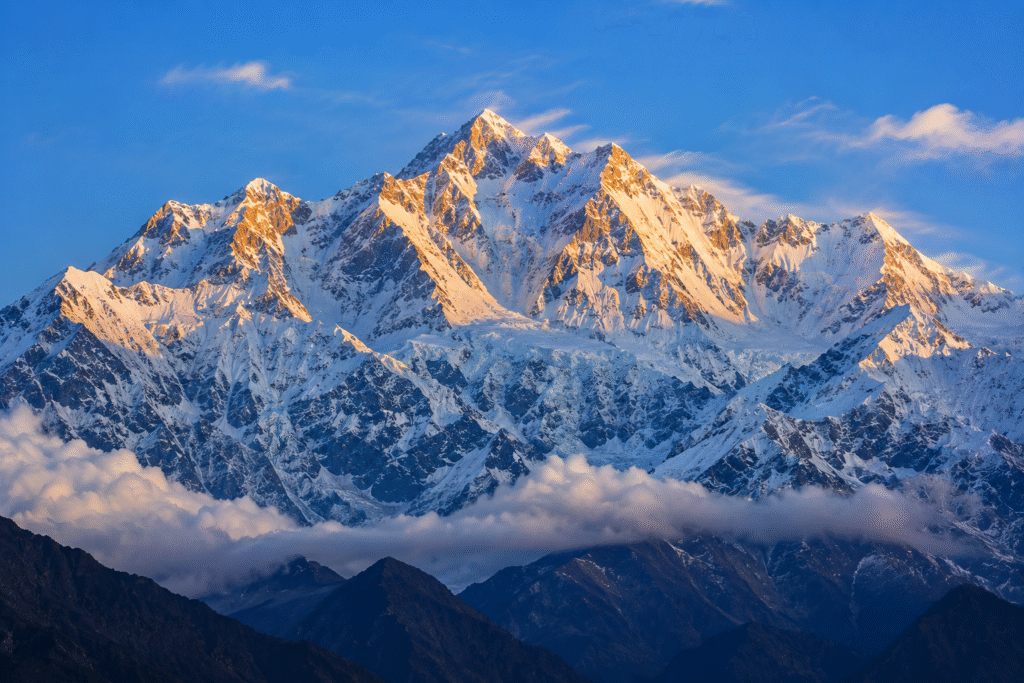
Height: 8,586 meters (28,169 feet)
Location: Nepal-India Border
Description
Kangchenjunga is the third-highest mountain in the world and is revered as a sacred mountain by local communities.
Interesting Facts
- Name means “Five Treasures of Snow.”
- Located in eastern Himalayas.
- Offers breathtaking scenery.
4. Lhotse
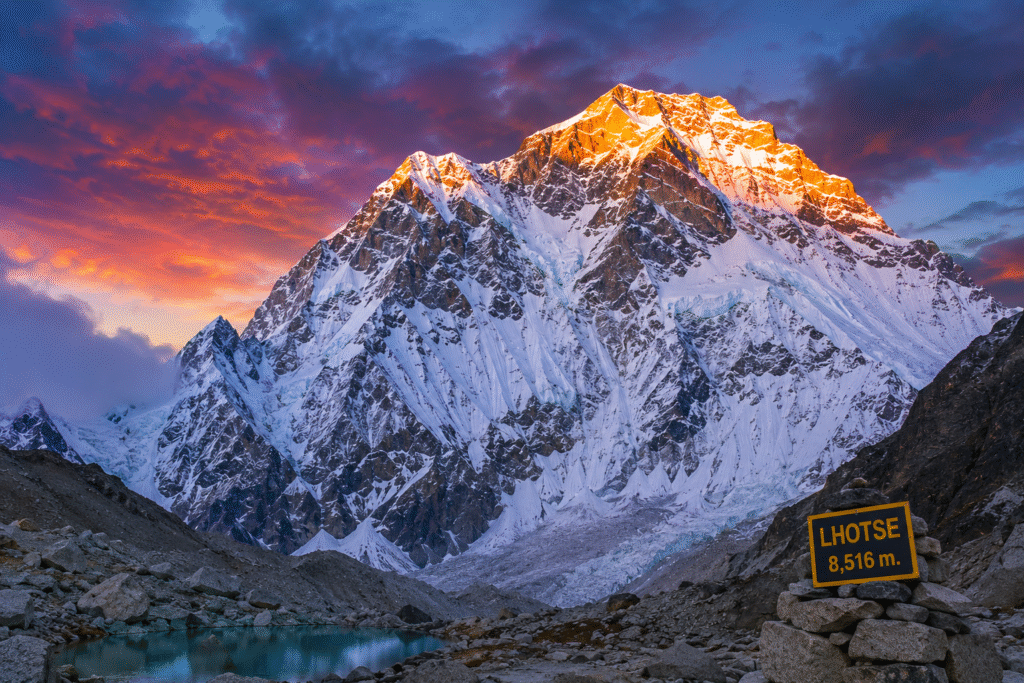
Height: 8,516 meters (27,940 feet)
Location: Nepal-China Border
Description
Lhotse is connected to Mount Everest and is famous for its steep south face.
Interesting Facts
- Fourth-highest mountain on Earth.
- Close proximity to Everest.
- Popular among experienced climbers.
5. Makalu
Height: 8,485 meters (27,838 feet)
Location: Nepal-China Border
Description
Makalu is known for its pyramid shape and difficult climbing conditions.
Interesting Facts
- Fifth-highest mountain in the world.
- Sharp ridges and isolated peaks.
- Located southeast of Everest.
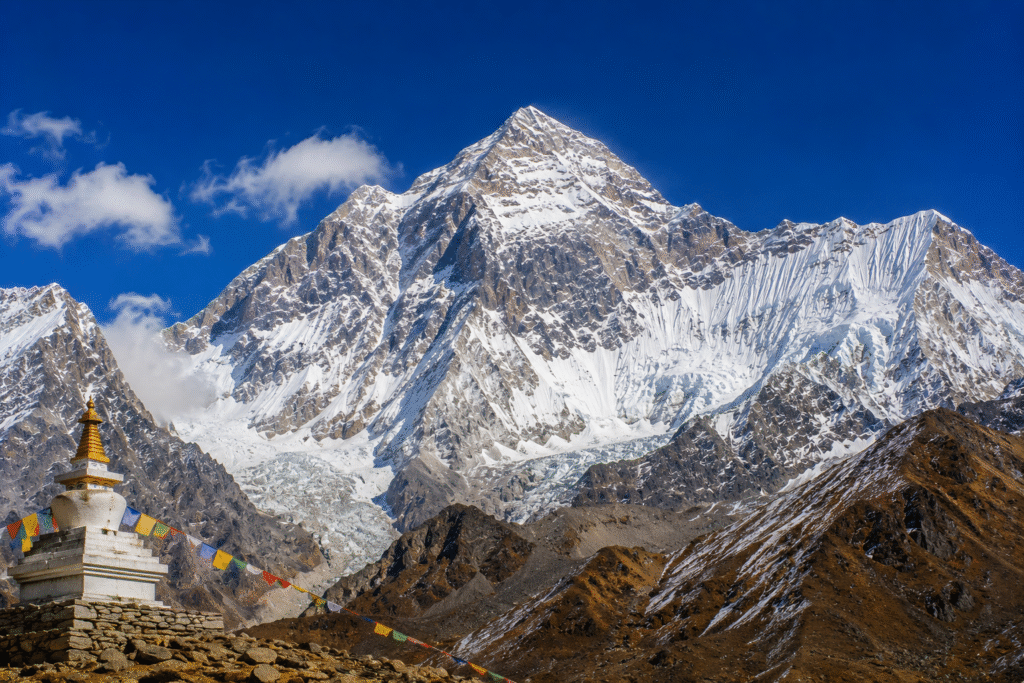
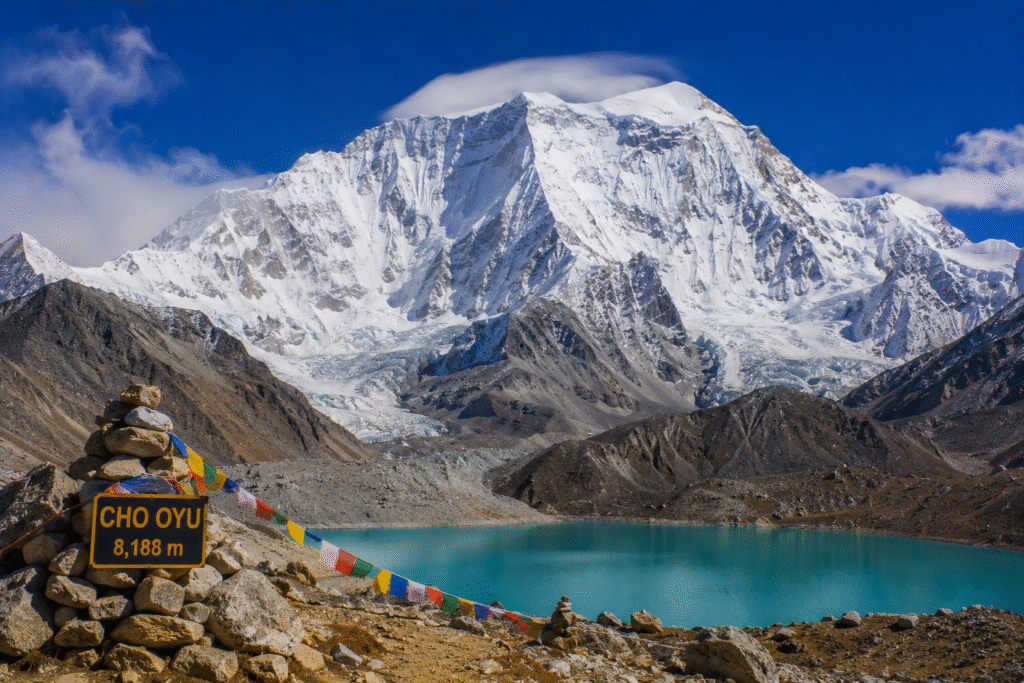
6. Cho Oyu
Height : 8,188 meters (26,864 feet)
Location: Nepal-China Border
Description
Cho Oyu is considered one of the easiest mountains above 8,000 meters to climb.
Interesting Facts
- Sixth-highest mountain in the world.
- Popular among mountaineers.
- Name means “Turquoise Goddess.”
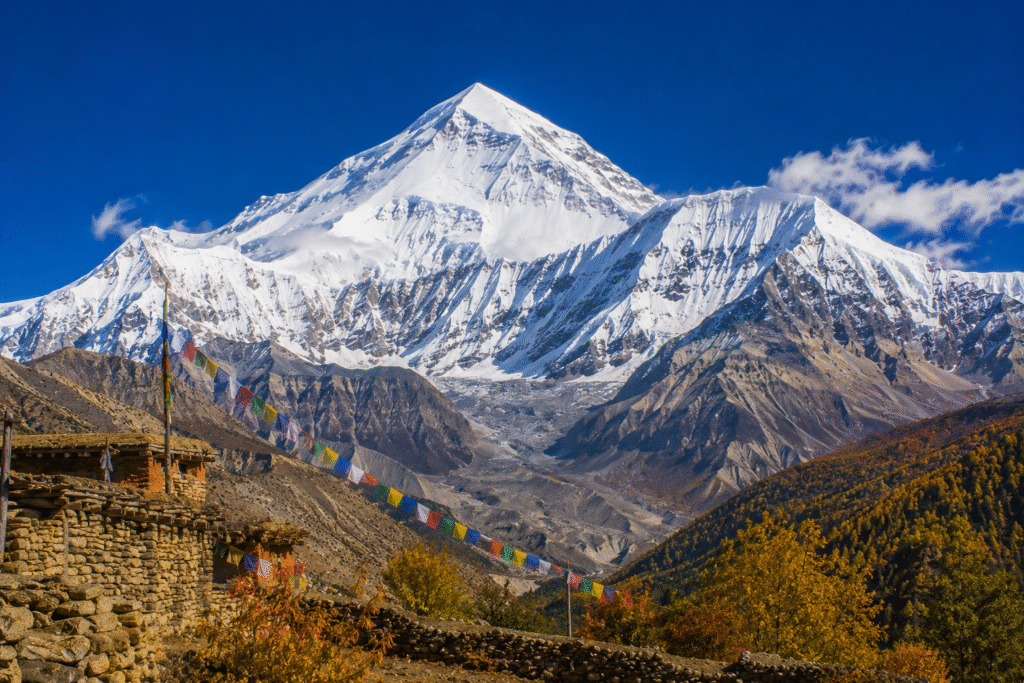
7. Dhaulagiri I
Height: 8,167 meters (26,795 feet)
Location: Nepal
Description
Dhaulagiri is famous for its massive snow-covered slopes and rugged beauty.
Interesting Facts
- Name means “White Mountain.”
- Once thought to be the highest mountain in the world.
- Located west of Annapurna.
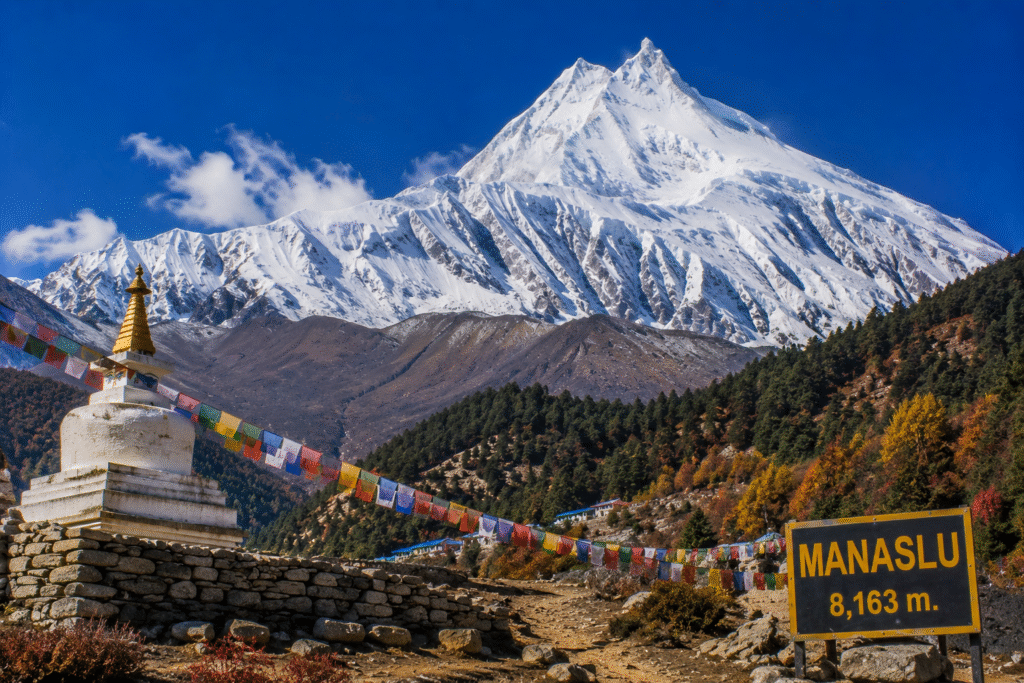
8. Manaslu
Height: 8,163 meters (26,781 feet)
Location: Nepal
Description
Manaslu is the eighth-highest mountain in the world and is known for its stunning surroundings.
Interesting Facts
- Name means “Mountain of the Spirit.”
- Popular destination for trekking.
- Rich cultural heritage surrounds the area.
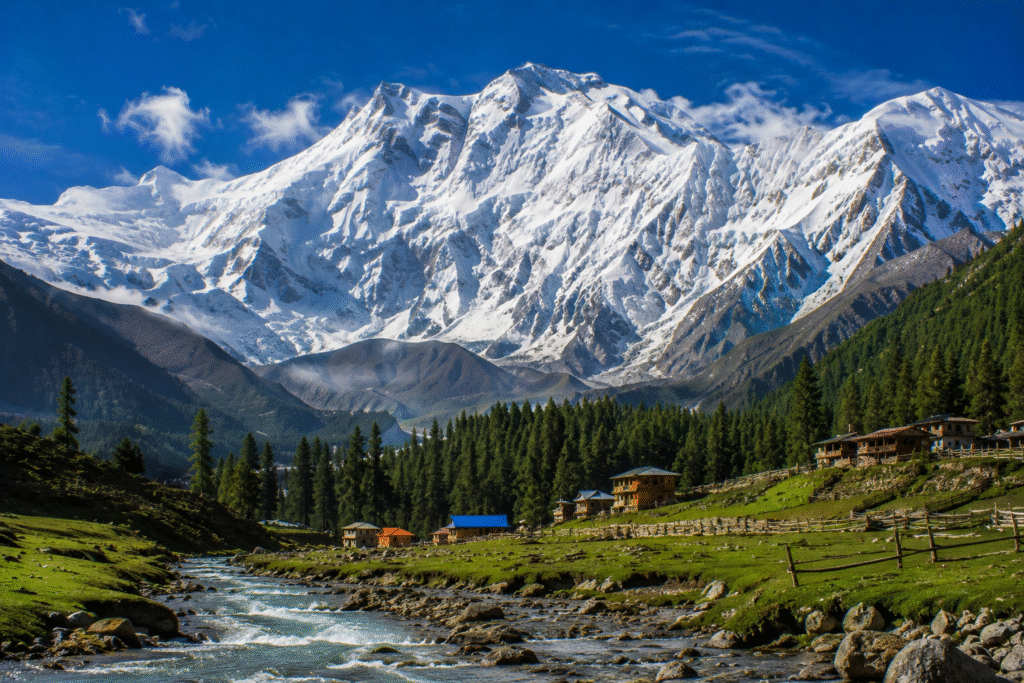
9. Nanga Parbat
Height: 8,126 meters (26,660 feet)
Location: Pakistan
Description
Nanga Parbat is one of the world’s most dangerous mountains.
Interesting Facts
- Nicknamed “Killer Mountain.”
- Western face rises dramatically above surrounding valleys.
- Located in the western Himalayas.
10. Annapurna I
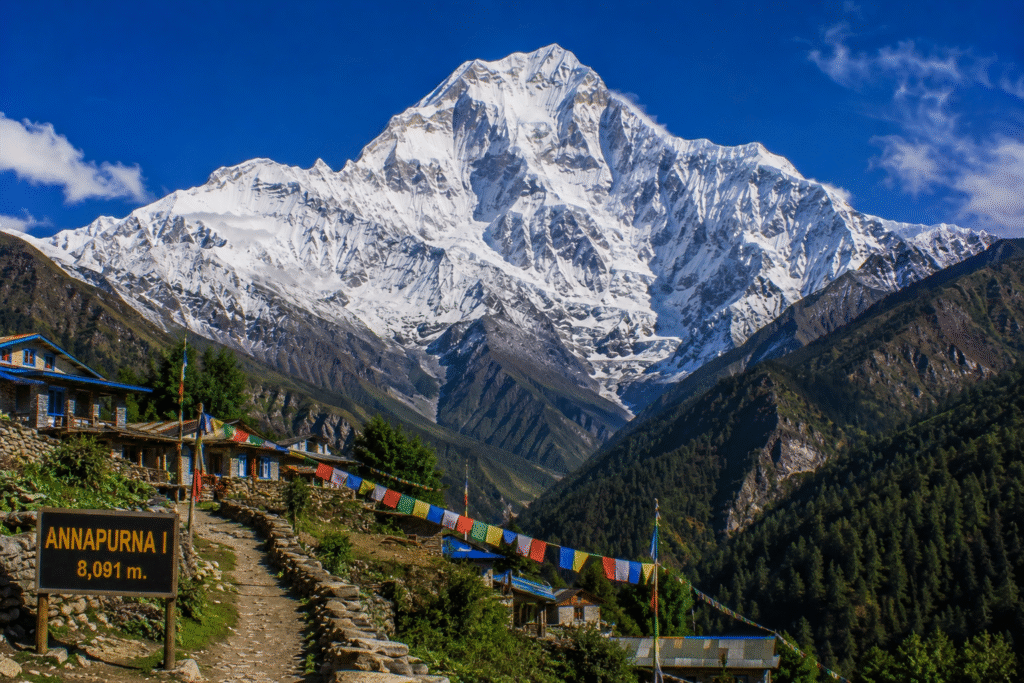
Height: 8,091 meters (26,545 feet)
Location: Nepal
Description
Annapurna I is famous for its beauty and challenging climbing routes.
Interesting Facts
- One of the deadliest mountains for climbers.
- Annapurna region attracts thousands of trekkers annually.
- Name means “Goddess of Harvests.”
Why Are Most of the Highest Mountains Located in Asia?
The Himalayas and Karakoram ranges were formed millions of years ago when the Indian tectonic plate collided with the Eurasian plate. This collision continues today, causing these mountains to rise gradually.
These highest mountains in the world continue to attract climbers and travelers alike.
Frequently Asked Questions
Which mountain is the highest in the world?
Mount Everest is the highest mountain in the world, standing at 8,848.86 meters above sea level.
Which mountain is the hardest to climb?
K2 is considered one of the most difficult and dangerous mountains due to its steep slopes and extreme weather.
Which country has the most mountains above 8,000 meters?
Nepal has the largest number of mountains above 8,000 meters.
How many mountains are above 8,000 meters?
There are 14 mountains in the world that exceed 8,000 meters in height.
Why is Mount Everest famous?
Mount Everest is famous because it is the tallest mountain on Earth and a dream destination for climbers worldwide.
You can also explore additional information about mountains and geography through Encyclopaedia Britannica and NASA Earth Observatory.
Conclusion
The world’s highest mountains are not only natural wonders but also symbols of adventure, beauty, and human determination. From the mighty Mount Everest to the deadly Annapurna I, these peaks continue to inspire climbers and travelers alike.
Learning about the highest mountains in the world reveals the incredible beauty and power of nature.
Whether you’re passionate about geography, mountaineering, or simply love learning about our planet, these incredible mountains deserve a place on your bucket list.
Explore more world facts: https://hkmanik.com
How to Increase Website Traffic Organically in 2026: https://hkmanik.com/increase-website-traffic-organically/
SEO mistakes that hurt rankings: https://hkmanik.com/common-seo-mistakes/
Mount Everest: https://www.nationalgeographic.com/adventure/article/mount-everest
Himalayas: https://education.nationalgeographic.org/resource/himalayas/