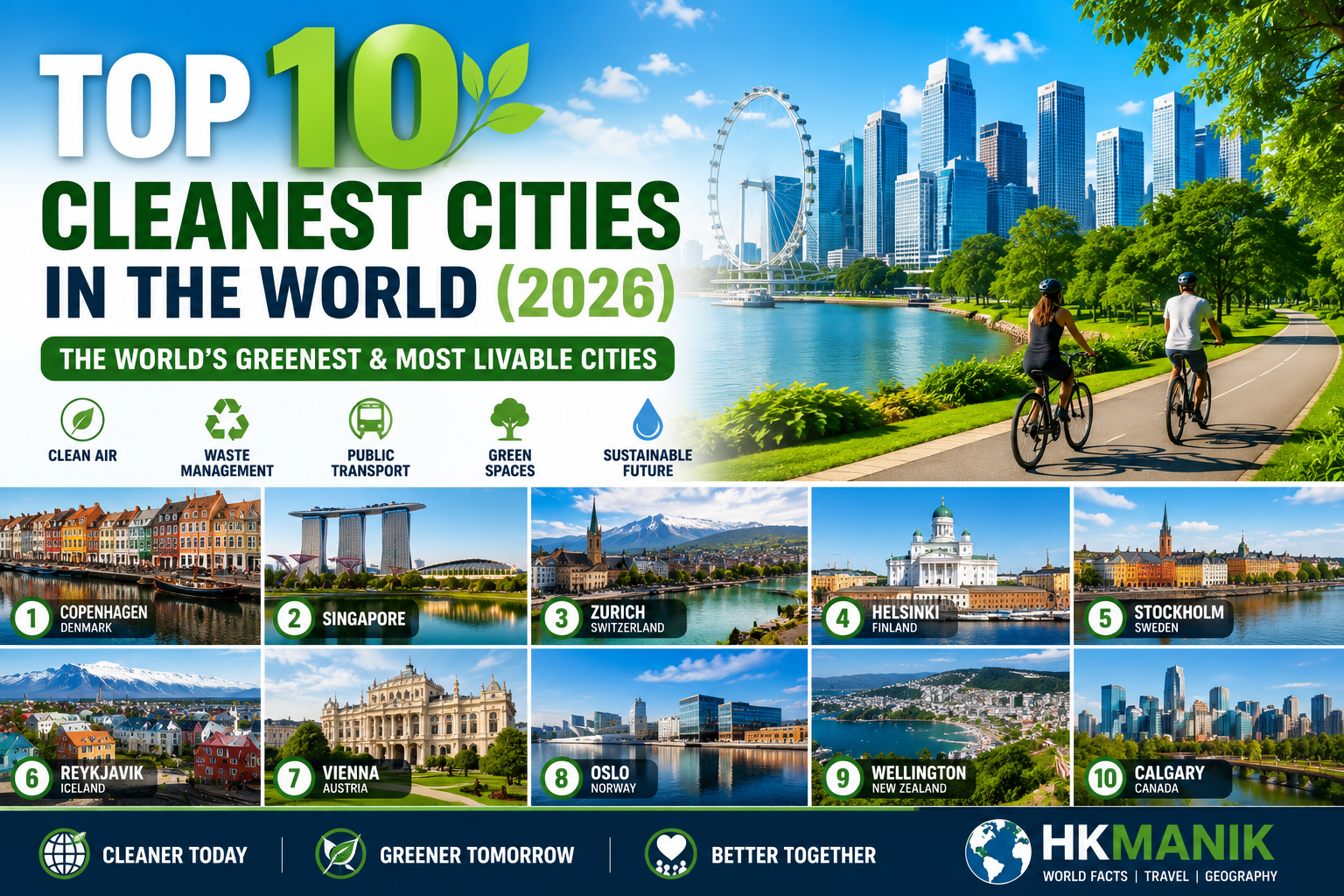
Top 10 Cleanest Cities in the World (2026): The World’s Greenest & Most Livable Cities
Introduction
Clean cities are more than just visually appealing—they are healthier, safer, and more sustainable places to live. A clean city reflects efficient waste management, excellent public transportation, abundant green spaces, low pollution levels, and strong environmental policies. As urban populations continue to grow, cities around the world are investing heavily in sustainable development to improve residents’ quality of life while protecting the environment.
The world’s cleanest cities demonstrate that economic growth and environmental responsibility can go hand in hand. From advanced recycling systems to renewable energy initiatives, these cities have become global models of sustainability and urban planning.
In this article, we’ll explore the Top 10 Cleanest Cities in the World (2026), highlighting what makes each city stand out and why they are consistently recognized as some of the best places to live and visit.
Table of Contents
What Makes a City Clean?
Several factors contribute to a city’s cleanliness and overall environmental quality. These include:
- Excellent waste collection and recycling systems
- Clean drinking water and efficient sewage treatment
- Low levels of air pollution
- Reliable public transportation
- Well-maintained parks and green spaces
- Strict environmental regulations
- High public awareness about cleanliness
- Sustainable urban planning
Cities that perform well in these areas generally provide healthier and more comfortable living conditions for their residents.
Top 10 Cleanest Cities in the World
1. Copenhagen, Denmark
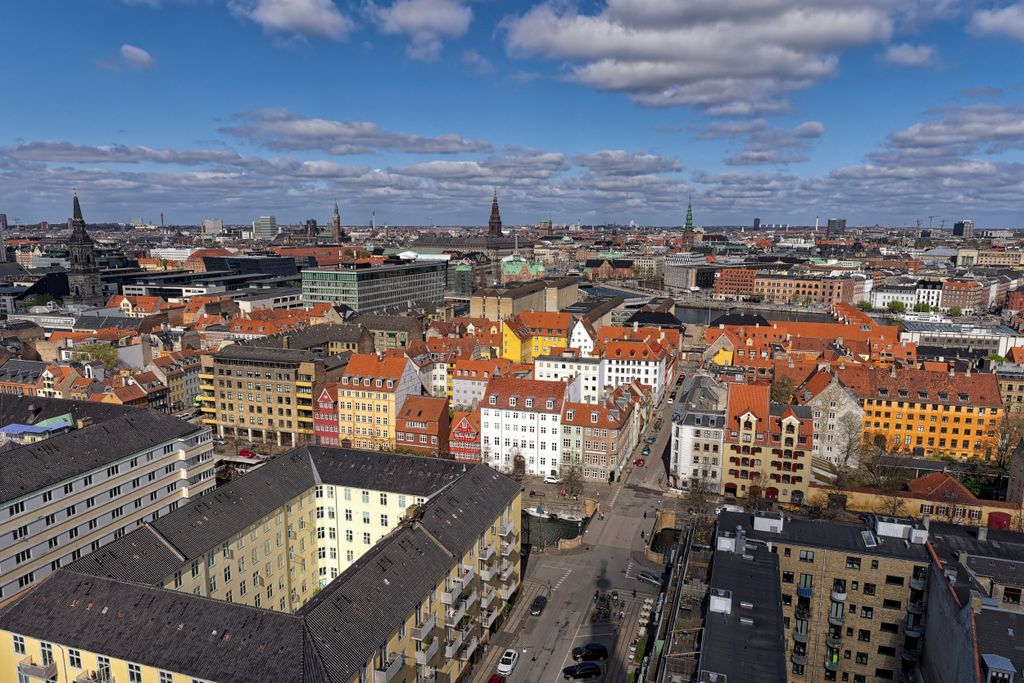
Copenhagen is widely regarded as one of the cleanest and most environmentally friendly cities in the world. The Danish capital has invested heavily in renewable energy, cycling infrastructure, and green urban planning.
More than half of the city’s residents commute by bicycle every day, significantly reducing traffic congestion and air pollution. Copenhagen also aims to become the world’s first carbon-neutral capital in the coming years.
Interesting Facts
- Over 400 km of bicycle lanes
- Excellent recycling system
- Clean harbor suitable for swimming
- Extensive use of wind energy
2. Singapore
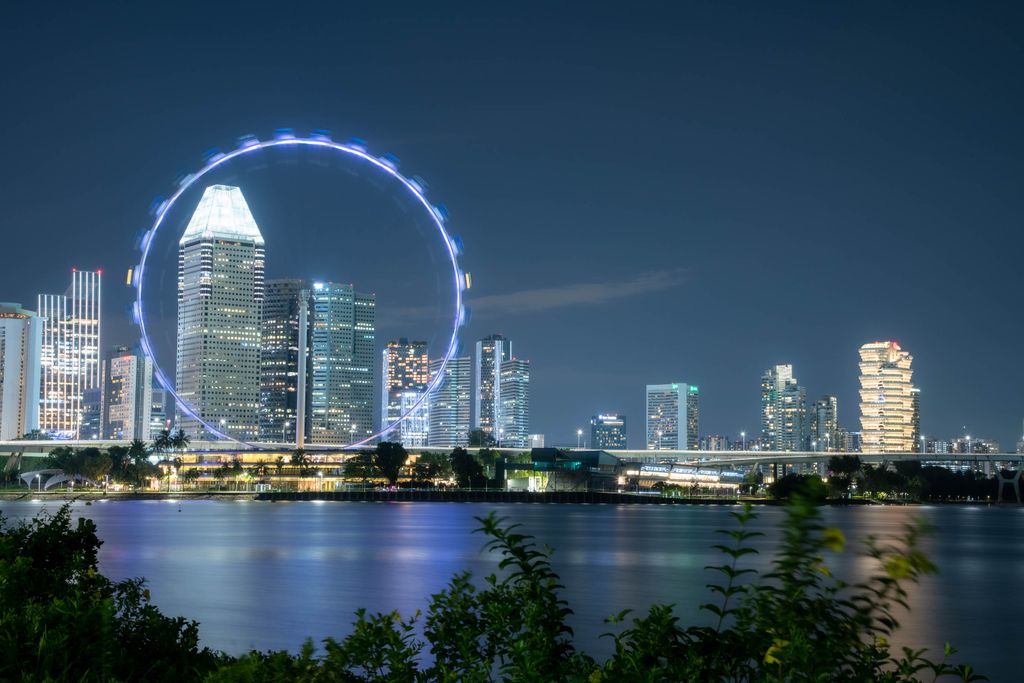
Singapore is famous for its spotless streets and strict environmental regulations. The city-state maintains exceptionally high standards of cleanliness through efficient public services and strong public awareness campaigns.
Green parks, vertical gardens, and tree-lined streets have earned Singapore the nickname “City in a Garden.”
Interesting Facts
- Heavy fines for littering
- Beautiful Gardens by the Bay
- One of Asia’s cleanest public transport systems
- Advanced water recycling technology
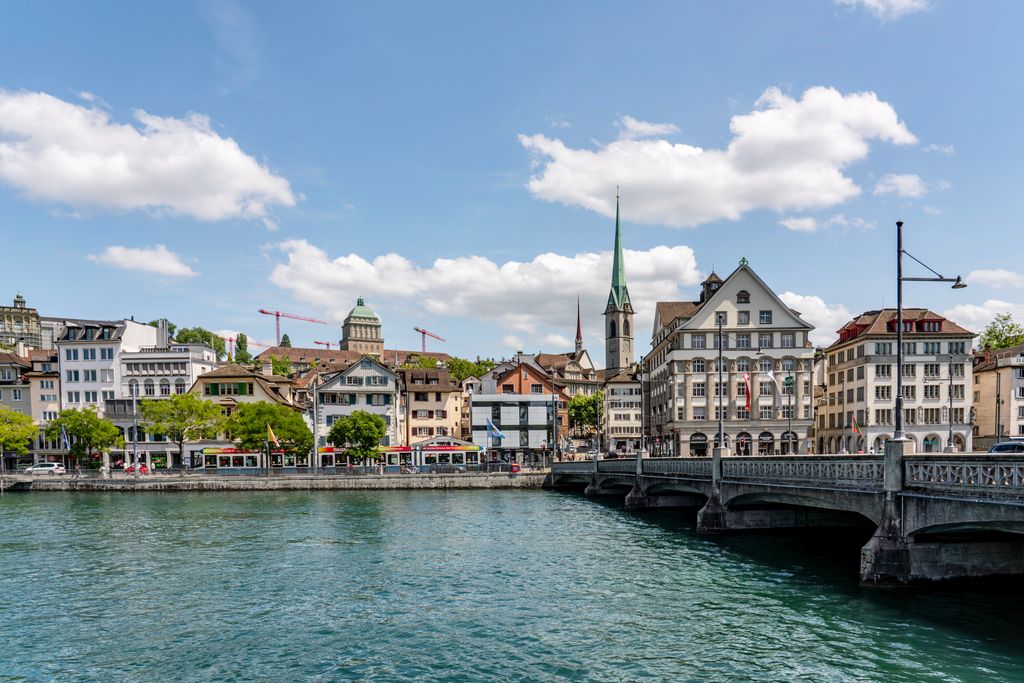
3. Zurich, Switzerland
Zurich combines breathtaking natural beauty with exceptional environmental management. The city enjoys clean air, crystal-clear lakes, and efficient waste disposal systems.
Public transportation is reliable, reducing dependence on private vehicles and helping maintain excellent air quality.
Interesting Facts
- Clean drinking water from nearby mountains
- Outstanding recycling programs
- Beautiful public parks
- Low pollution levels
4. Helsinki, Finland
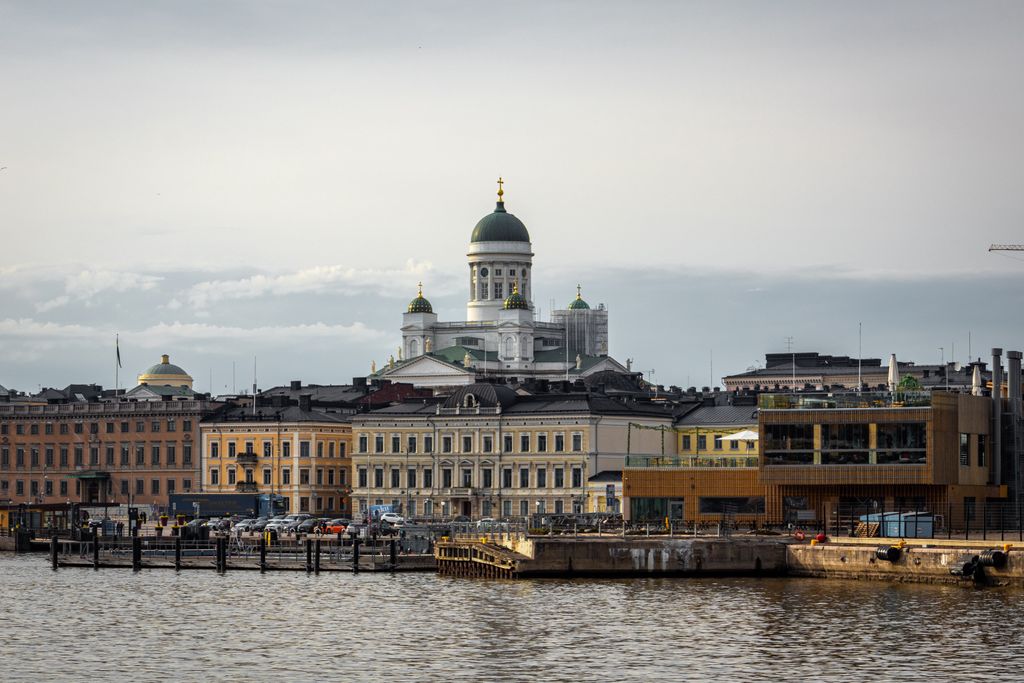
Finland’s capital consistently ranks among the world’s cleanest cities thanks to its commitment to sustainability and environmental conservation.
Residents enjoy abundant green spaces, clean public transportation, and excellent air quality throughout the year.
Interesting Facts
- Nearly every resident lives close to a park
- Strong environmental education
- Excellent public transport
- High recycling rates
5. Stockholm, Sweden
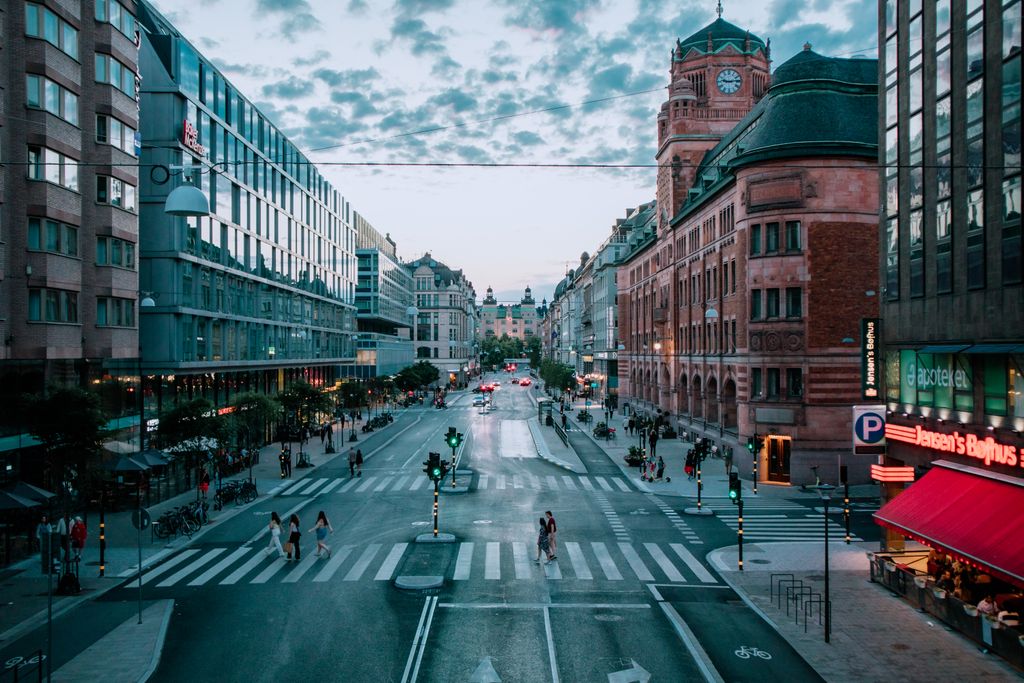
Stockholm is often called one of Europe’s greenest capitals. Built across numerous islands, the city carefully balances urban development with environmental protection.
The government encourages renewable energy, electric transportation, and sustainable housing.
Interesting Facts
- Surrounded by clean waterways
- Extensive cycling network
- Renewable energy leadership
- Large urban forests
6. Reykjavik, Iceland
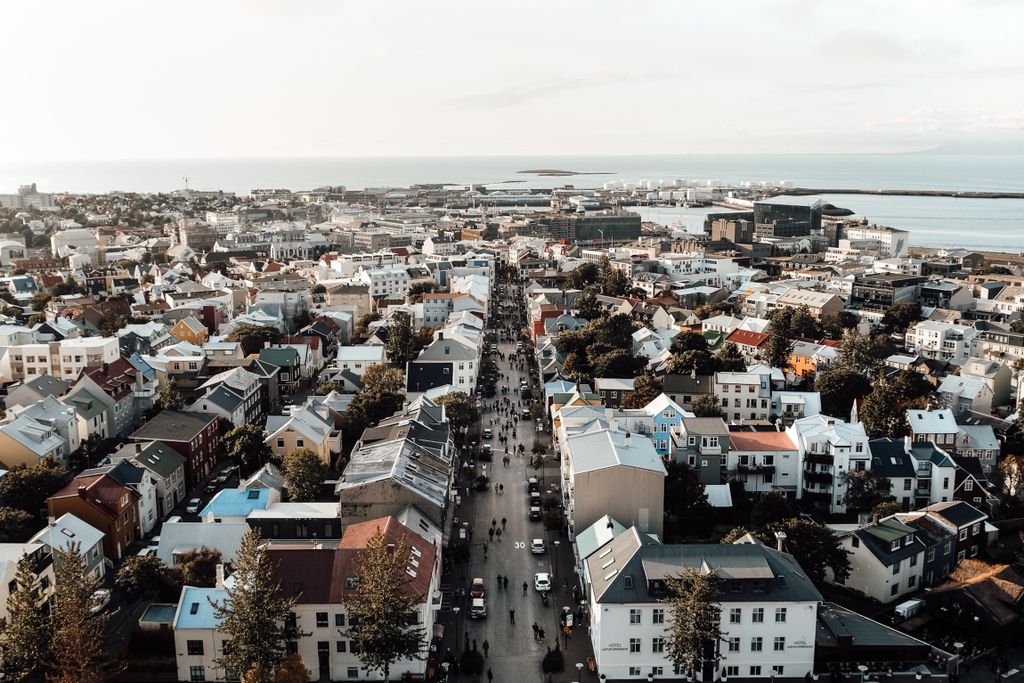
Reykjavik benefits from Iceland’s abundant geothermal and hydroelectric energy, making it one of the cleanest energy-powered cities on Earth.
The city’s fresh air, low population density, and stunning natural surroundings contribute to its exceptional environmental quality.
Interesting Facts
- Nearly 100% renewable electricity
- Minimal industrial pollution
- Excellent tap water quality
- Low carbon emissions
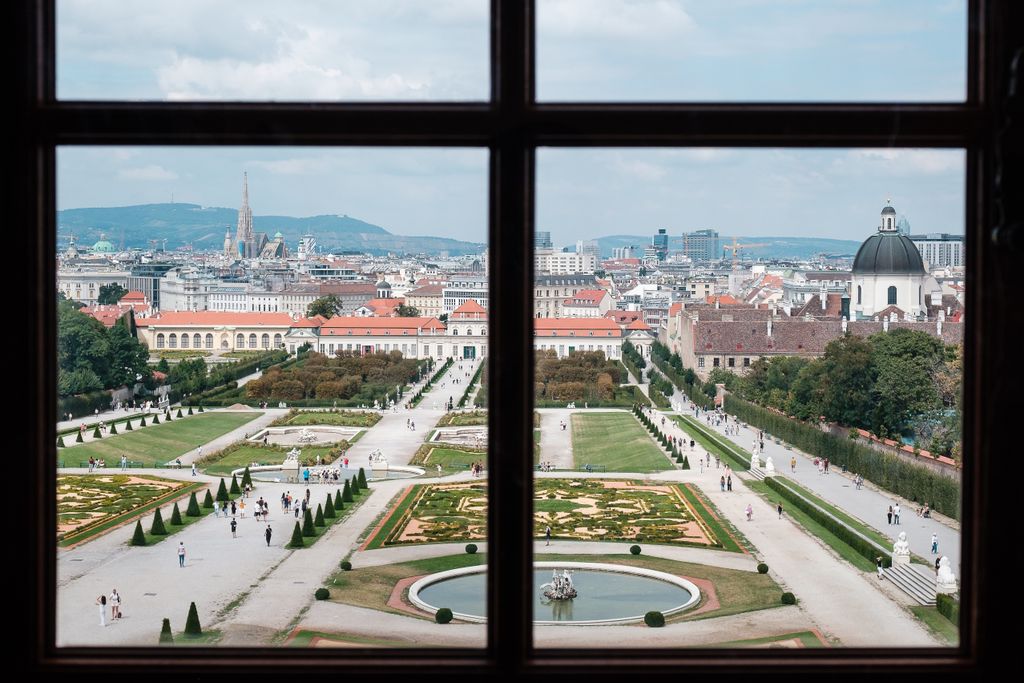
7. Vienna, Austria
Vienna consistently ranks among the world’s most livable cities. Clean streets, efficient public transportation, and beautiful public gardens create an outstanding quality of life.
The city also places strong emphasis on recycling and sustainable urban development.
Interesting Facts
- Beautiful public parks
- Excellent waste management
- Reliable metro system
- Historic architecture preserved alongside green initiatives
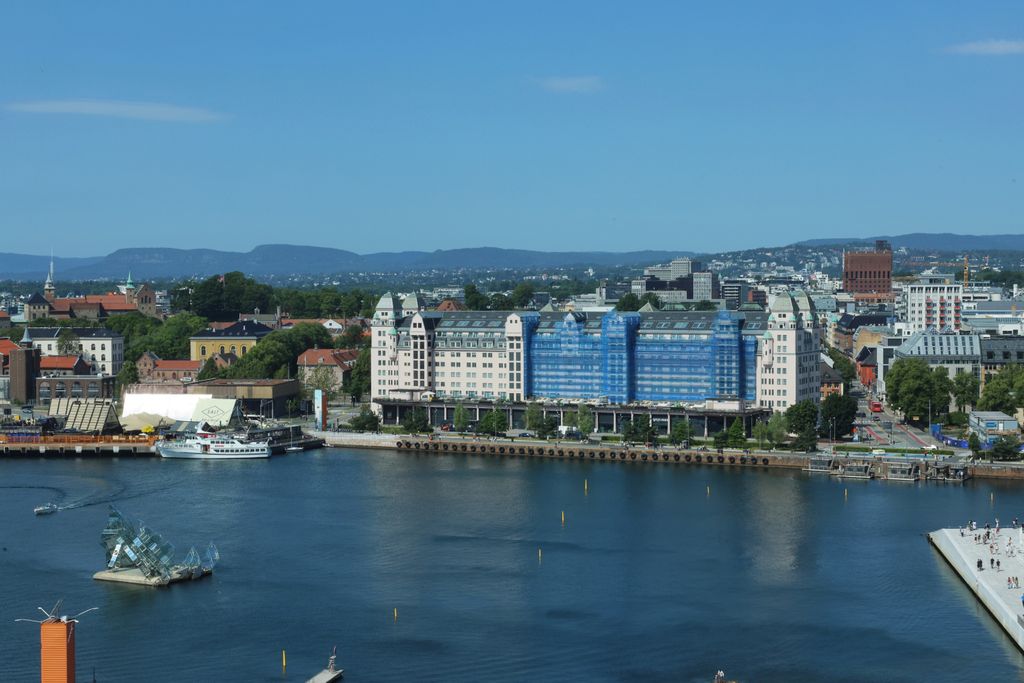
8. Oslo, Norway
Oslo has become a global leader in electric transportation and sustainable city planning. Electric vehicles are widely used, while forests and parks surround much of the city.
The Norwegian capital continues investing in renewable energy and carbon reduction projects.
Interesting Facts
- High electric vehicle usage
- Extensive green spaces
- Clean fjords
- Renewable energy focus
9. Wellington, New Zealand
Known for its breathtaking coastal scenery and strong environmental policies, Wellington offers residents clean air, beautiful parks, and an excellent public transportation network.
The city’s commitment to conservation helps preserve its unique natural beauty.
Interesting Facts
- Excellent air quality
- Coastal walking trails
- Strong environmental protection
- Rich biodiversity
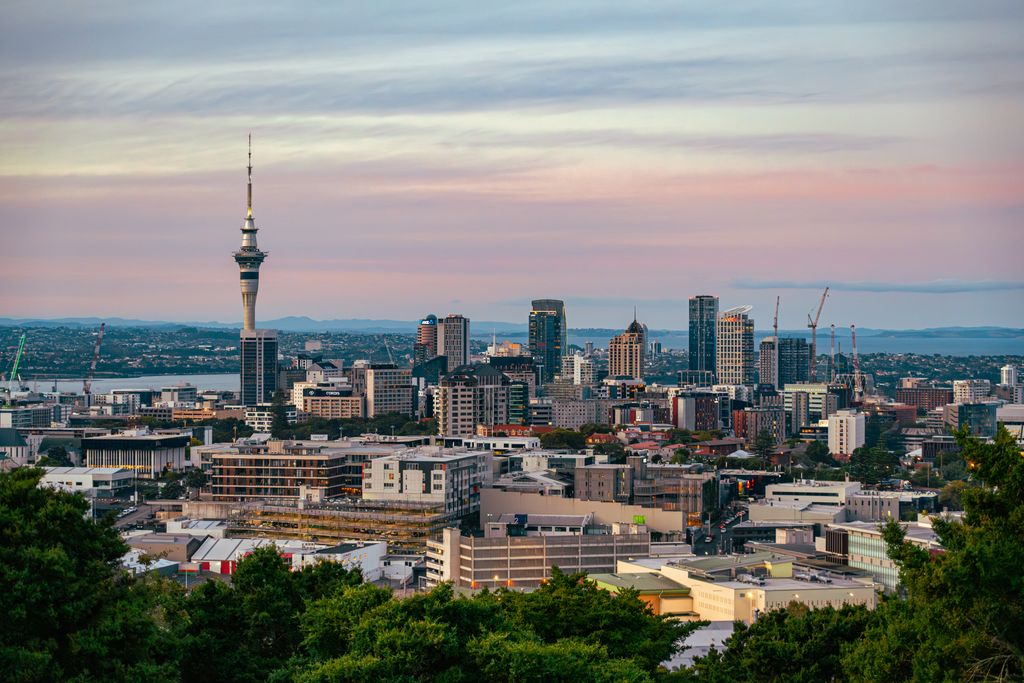
10. Calgary, Canada
Calgary has repeatedly earned recognition as one of the cleanest cities in North America. The city maintains strict waste management programs while protecting its rivers, parks, and natural surroundings.
Residents actively participate in recycling and community clean-up initiatives.
Interesting Facts
- Clean drinking water
- Advanced recycling system
- Beautiful parks
- Excellent environmental management

Why Clean Cities Matter
Clean cities provide numerous benefits for residents, businesses, and the environment. Top 10 cleanest cities of the world. Lower pollution levels improve public health by reducing respiratory diseases and other pollution-related illnesses. Efficient waste management protects water sources, while green spaces improve mental well-being and biodiversity.
Environmentally friendly cities also attract tourists, investors, and skilled professionals, contributing to long-term economic growth. As climate change becomes an increasingly important global issue, clean and sustainable cities serve as models for responsible urban development.
Governments around the world continue learning from these cities to create healthier, greener, and more resilient communities for future generations.
Conclusion
The cleanest cities in the world demonstrate that sustainability, innovation, and responsible urban planning can create healthier places to live. From Copenhagen’s cycling culture and Singapore’s immaculate streets to Reykjavik’s renewable energy and Calgary’s environmental management, each city has developed its own successful approach to cleanliness and sustainability.
As more cities adopt eco-friendly policies, invest in public transportation, expand green spaces, and promote recycling, the future of urban living becomes brighter. Whether you’re planning your next vacation, considering relocation, or simply interested in sustainable development, these remarkable cities offer inspiring examples of how modern communities can thrive while protecting the environment.
Clean cities are not built overnight—they are the result of long-term planning, community participation, and a shared commitment to preserving our planet for future generations.
Freuently asked questions (faq)
Which is the cleanest city in the world?
Copenhagen, Denmark, is widely regarded as one of the cleanest cities in the world due to its excellent waste management, cycling infrastructure, renewable energy initiatives, and commitment to becoming carbon neutral.
How are the cleanest cities in the world ranked?
The cleanest cities in the world are typically evaluated based on factors such as air quality, waste management, recycling programs, clean drinking water, public transportation, green spaces, environmental policies, and overall sustainability. Different organizations may use different methodologies, so rankings can vary.
Which city has the best air quality?
Cities such as Reykjavik, Helsinki, and Wellington are recognized for their excellent air quality due to low industrial pollution, renewable energy use, and abundant green spaces. Air quality can vary throughout the year depending on weather conditions.
What are the top 10 cleanest cities in the world?
The top 10 cleanest cities in the world featured in this article are Copenhagen, Singapore, Zurich, Helsinki, Stockholm, Reykjavik, Vienna, Oslo, Wellington, and Calgary.
Why are clean cities important?
Clean cities improve public health, reduce pollution, attract tourists and businesses, enhance residents’ quality of life, and support environmental sustainability. They also contribute to reducing greenhouse gas emissions and protecting natural resources.
Which country has the cleanest cities overall?
Countries such as Denmark, Switzerland, Finland, Norway, Sweden, and Iceland are frequently recognized for having some of the cleanest and most environmentally friendly cities in the world because of their strong sustainability policies.
What makes a city environmentally friendly?
An environmentally friendly city promotes renewable energy, efficient public transportation, recycling, waste reduction, green buildings, clean water, urban parks, and sustainable development while minimizing pollution and protecting natural resources.
Are clean cities also good tourist destinations?
Yes. Many of the cleanest cities in the world, including Copenhagen, Zurich, Vienna, and Singapore, are popular tourist destinations because they offer beautiful parks, safe streets, modern infrastructure, and a high quality of life.
Can other cities become cleaner in the future?
Absolutely. By investing in better waste management, cleaner public transportation, renewable energy, urban green spaces, and public awareness campaigns, cities around the world can significantly improve their cleanliness and environmental sustainability.
If you enjoy learning about fascinating places, don’t miss our guide to the Top 10 Largest Islands in the World, featuring Greenland, Madagascar, and other incredible islands.
Discover Earth’s most extreme landscapes in our article on the Top 10 Largest Deserts in the World, from the Antarctic Desert to the vast Sahara.
Nature lovers may also enjoy exploring the Top 10 Highest Mountains in the World, home to Mount Everest and other iconic peaks.
Learn more about air quality, environmental health, and sustainable urban living from the World Health Organization (WHO).
The United Nations Environment Programme (UNEP) provides valuable information on sustainability, climate action, and environmental protection worldwide.