Top 10 Largest Islands in the World
Introduction
Islands are among the most diverse and captivating landforms on Earth. From the icy wilderness of Greenland to the lush tropical rainforests of Borneo, islands are home to unique ecosystems, rich cultural heritage, and millions of people. They play a crucial role in biodiversity, tourism, trade, and scientific research. While some islands are densely populated and economically developed, others remain remote and largely untouched by human activity.
An island is a piece of land completely surrounded by water. They can be found in oceans, seas, rivers, and lakes. Some islands are formed by volcanic activity, while others result from shifting tectonic plates or rising sea levels. The world’s largest islands cover vast areas and often contain mountains, forests, rivers, glaciers, and diverse wildlife.
In this article, we’ll explore the top 10 largest islands in the world, highlighting their size, location, unique features, and fascinating facts that make each one remarkable.
Table of Contents
What Is an Island?
An island is any landmass entirely surrounded by water and smaller than a continent. Although Australia is surrounded by water, it is classified as a continent rather than an island because of its geological size and characteristics.
The world’s largest islands are spread across every continent except mainland Antarctica. They vary significantly in climate—from frozen polar environments to tropical rainforests—and support an incredible variety of plant and animal life.
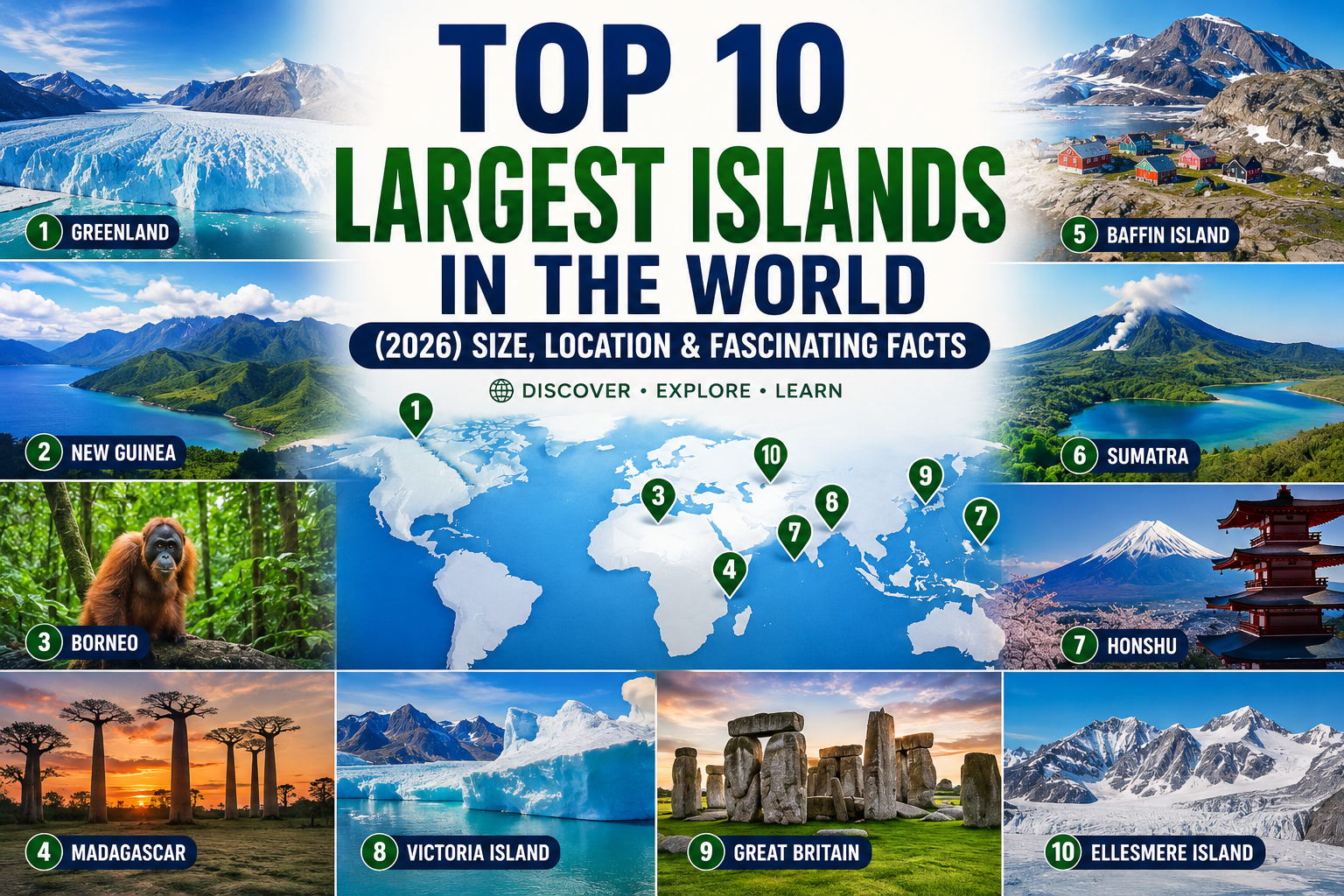
Top 10 Largest Islands in the World
1. Greenland
Area: Approximately 2,166,000 sq km
Location: North Atlantic and Arctic Oceans
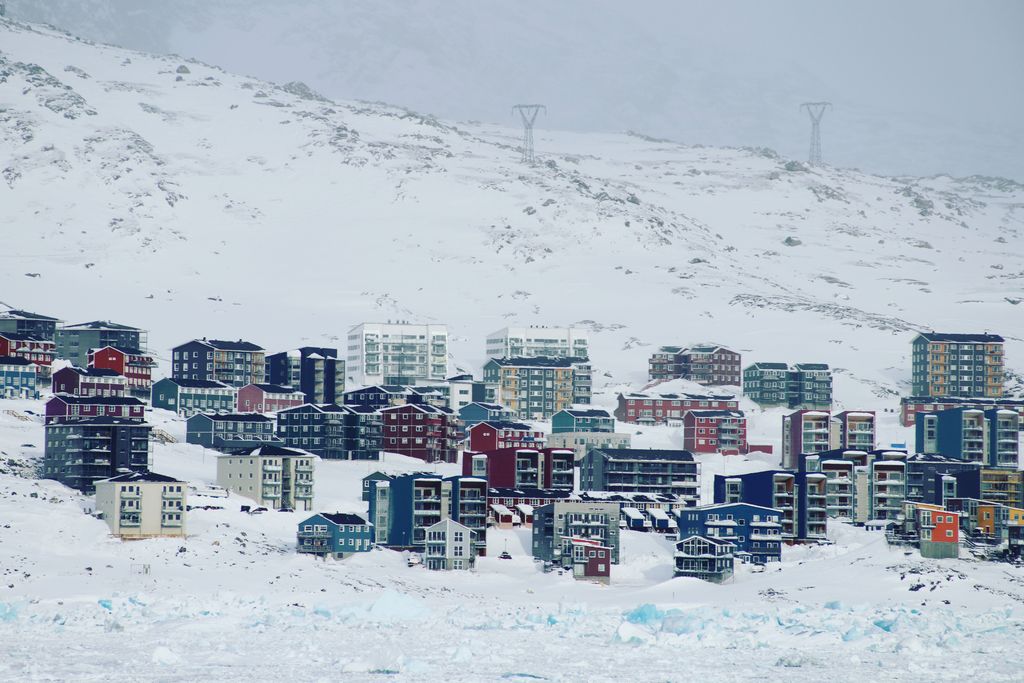
Greenland is the largest island in the world and an autonomous territory within the Kingdom of Denmark. Nearly 80% of its surface is covered by a massive ice sheet, making it one of the most important regions for climate research.
Despite its enormous size, Greenland has a population of only around 57,000 people, most of whom live along the ice-free coastal areas. Visitors are attracted by breathtaking glaciers, majestic fjords, the Northern Lights, and Arctic wildlife such as polar bears, musk oxen, and seals.
Interesting Fact: Greenland’s ice sheet holds enough frozen water to raise global sea levels by several meters if it melted completely.
2. New Guinea
Area: Approximately 785,753 sq km
Location: Southwest Pacific Ocean
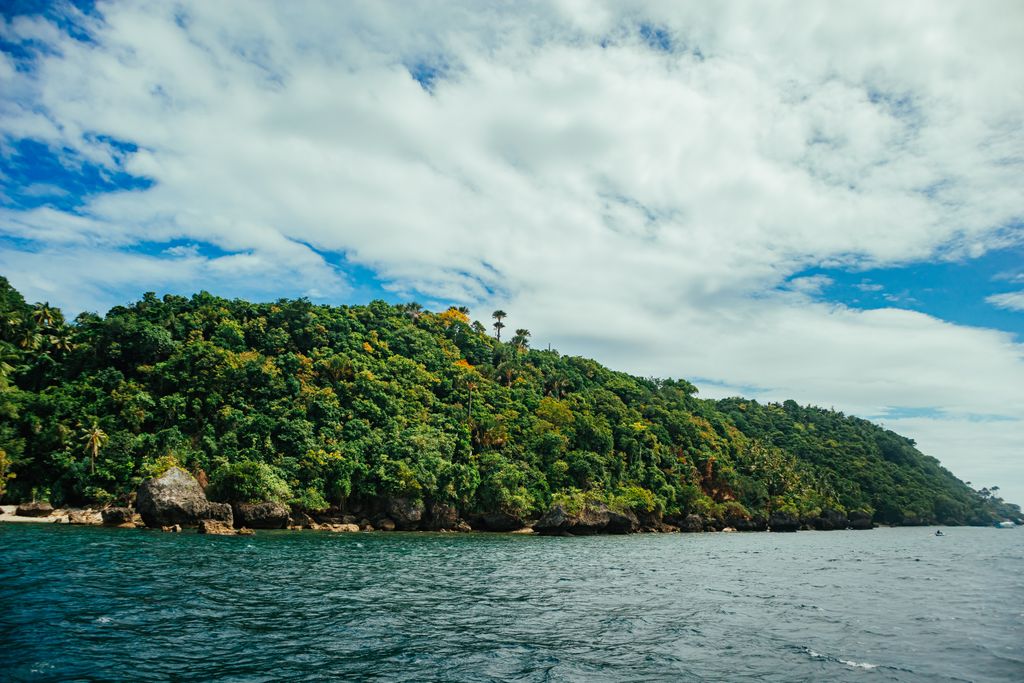
New Guinea is the second-largest island in the world and is divided between Papua New Guinea and Indonesia. It is one of Earth’s richest biodiversity hotspots, containing thousands of species found nowhere else.
Dense tropical rainforests, towering mountain ranges, and hundreds of indigenous cultures make New Guinea one of the world’s most fascinating islands. Many areas remain unexplored by modern science.
Interesting Fact: New Guinea is home to more than 800 languages, making it one of the most linguistically diverse places on Earth.
3. Borneo
Area: Approximately 748,168 sq km
Location: Southeast Asia
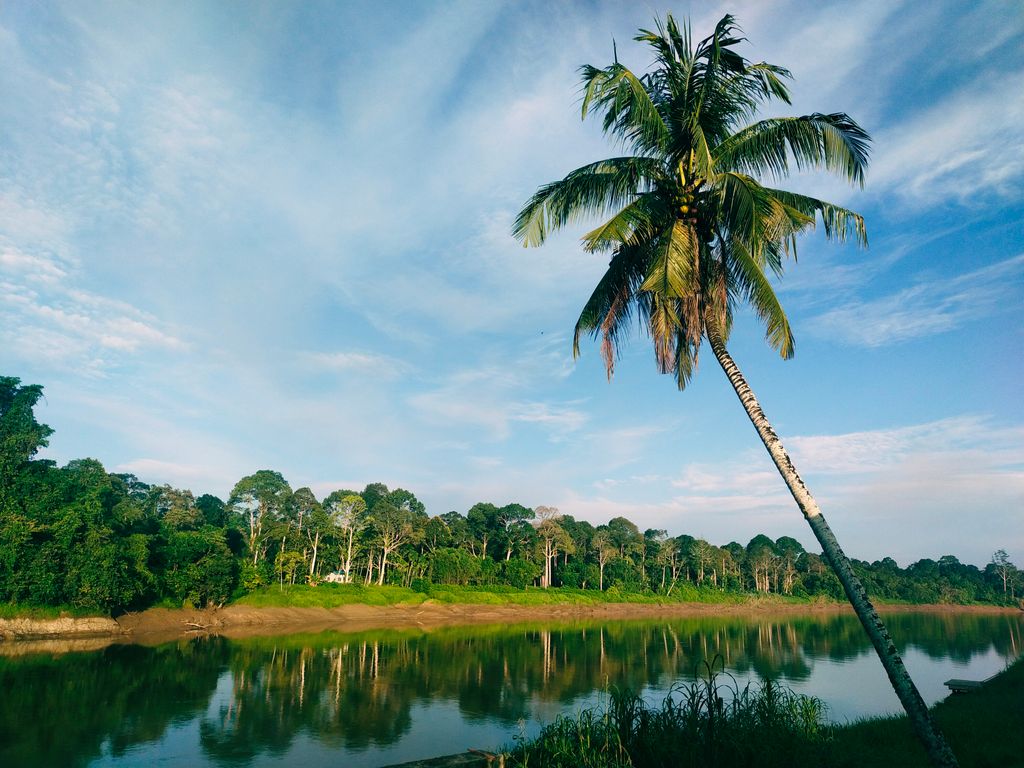
Borneo is shared by Indonesia, Malaysia, and Brunei. It is famous for its ancient rainforests, some estimated to be over 130 million years old.
The island is renowned for its incredible wildlife, including orangutans, pygmy elephants, clouded leopards, and rare bird species. However, rapid deforestation has become a major environmental concern in recent decades.
Interesting Fact: Borneo contains one of the oldest tropical rainforests on the planet.
4. Madagascar
Area: Approximately 587,041 sq km
Location: Indian Ocean
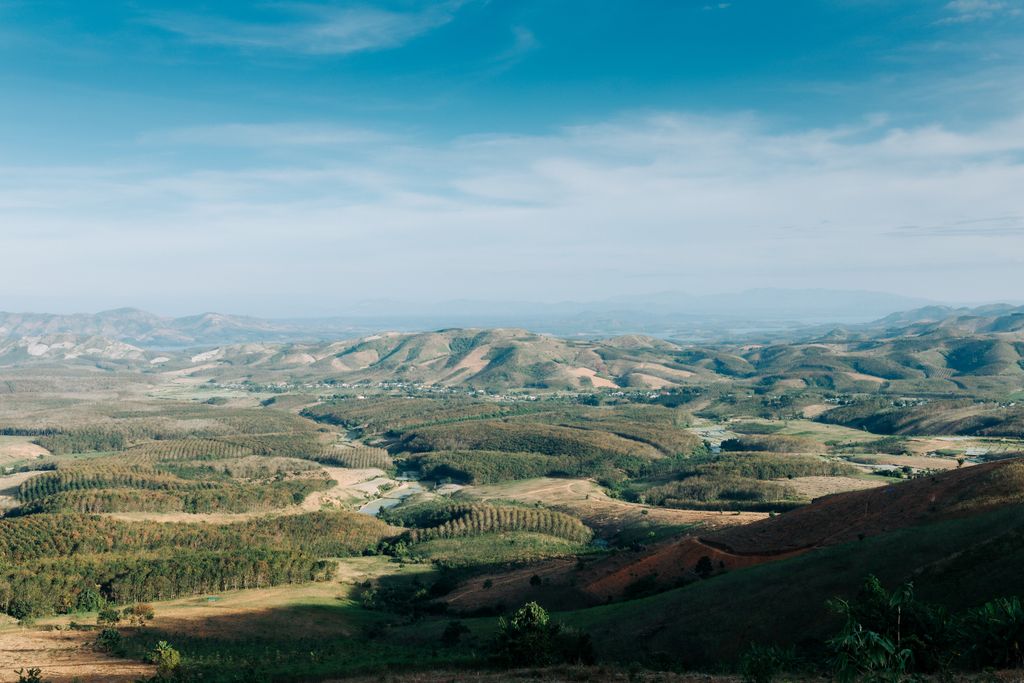
Located off the southeastern coast of Africa, Madagascar is often called the “Eighth Continent” because of its extraordinary biodiversity. Around 90% of its wildlife exists nowhere else on Earth.
The island is famous for lemurs, baobab trees, colorful chameleons, and unique ecosystems ranging from rainforests to deserts.
Interesting Fact: Madagascar separated from mainland Africa over 160 million years ago, allowing its wildlife to evolve independently.
5. Baffin Island
Area: Approximately 507,451 sq km
Location: Nunavut, Canada
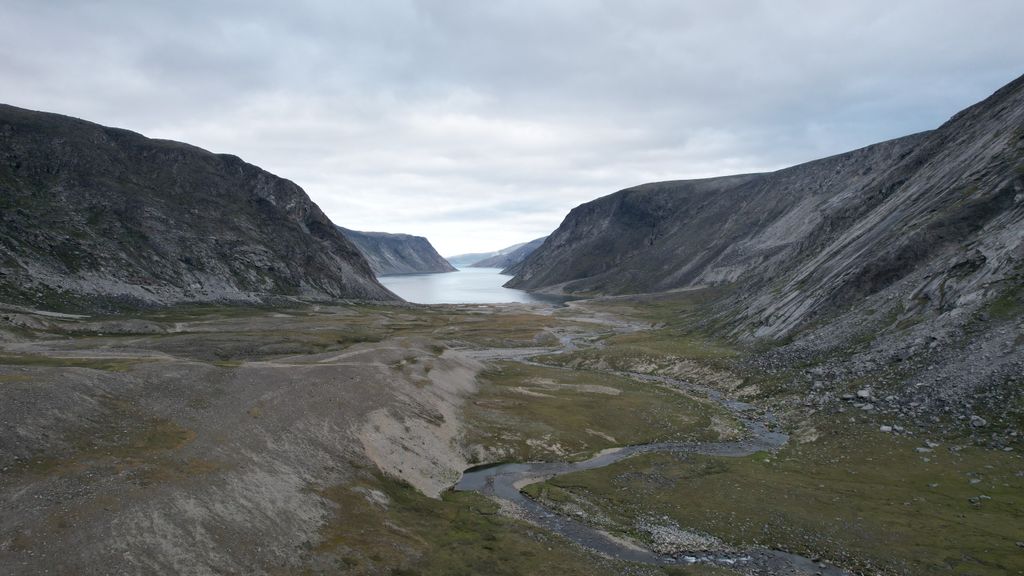
Baffin Island is Canada’s largest island and the fifth largest in the world. Its dramatic Arctic landscape features glaciers, mountains, tundra, and spectacular fjords.
The island supports Arctic wildlife such as polar bears, Arctic foxes, seals, and migratory birds. Inuit communities have lived here for thousands of years, preserving their unique traditions and culture.
6. Sumatra
Area: Approximately 473,481 sq km
Location: Indonesia
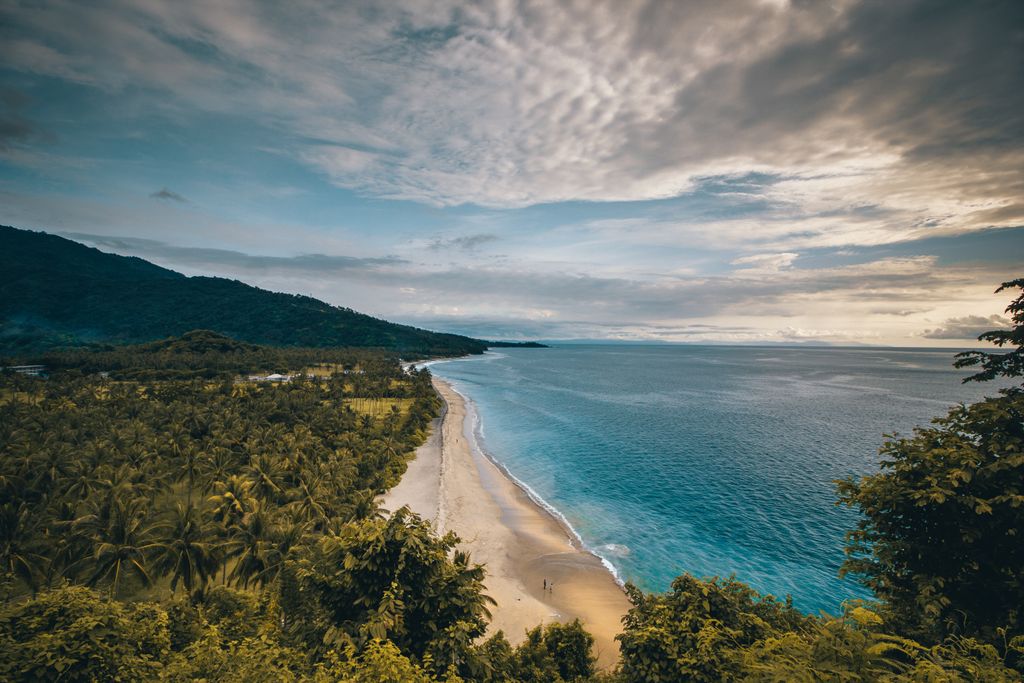
Sumatra is one of Indonesia’s largest islands and is well known for its tropical rainforests, volcanic mountains, and rich natural resources.
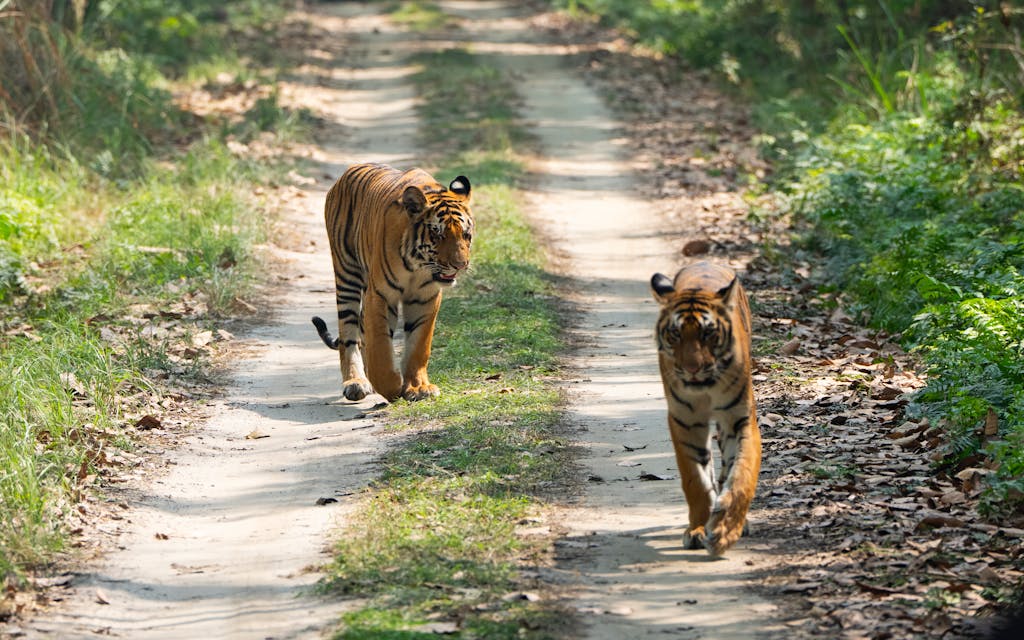
It is home to several endangered species, including the Sumatran tiger, rhinoceros, elephant, and orangutan. National parks across the island play a vital role in protecting these rare animals.
Interesting Fact: Sumatra lies along the Pacific Ring of Fire and experiences frequent volcanic activity and earthquakes.
7. Honshu
Area: Approximately 225,800 sq km
Location: Japan
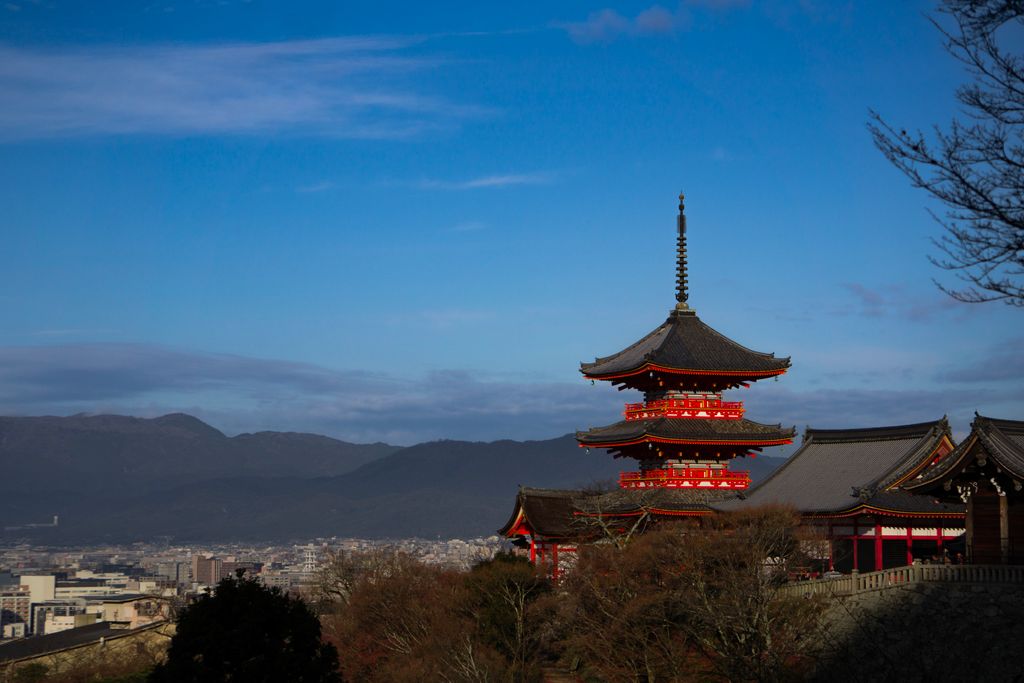
Honshu is Japan’s largest and most populous island. It is home to major cities including Tokyo, Kyoto, Osaka, Hiroshima, and Sendai.
The island combines modern technology with ancient traditions and features iconic landmarks such as Mount Fuji, one of the world’s most famous volcanoes.
Honshu serves as Japan’s political, cultural, and economic center.
8. Victoria Island
Area: Approximately 217,291 sq km
Location: Canadian Arctic
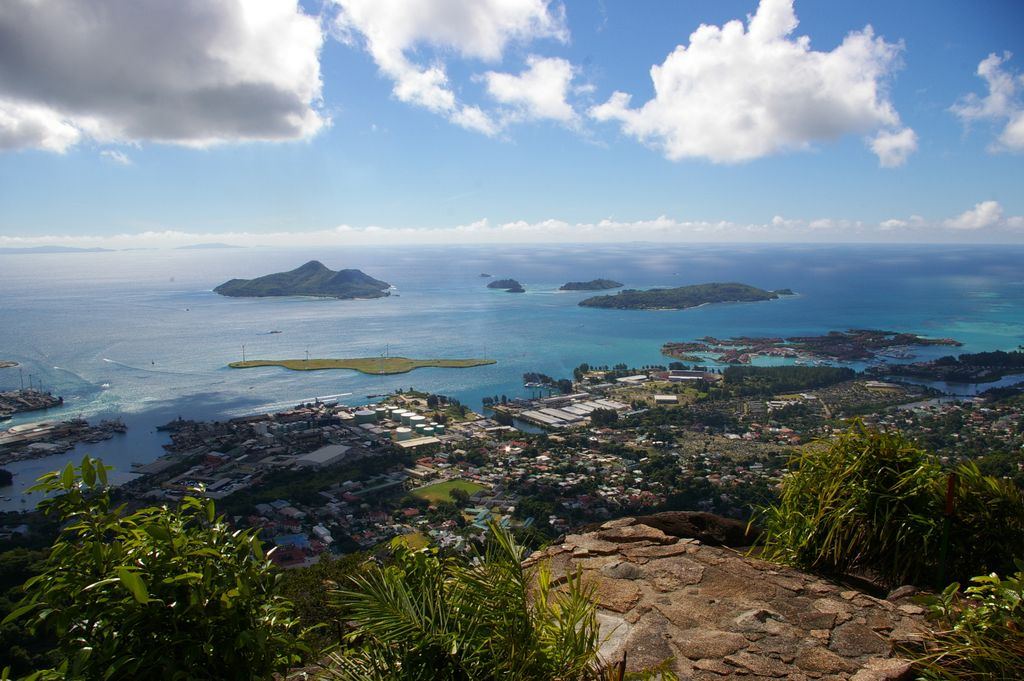
Victoria Island is another massive Canadian island located within the Arctic Archipelago.
Its harsh climate limits human settlement, but the island supports musk oxen, Arctic wolves, caribou, and migratory birds. Scientists frequently conduct climate and environmental research here.
9. Great Britain
Area: Approximately 209,331 sq km
Location: Northwestern Europe
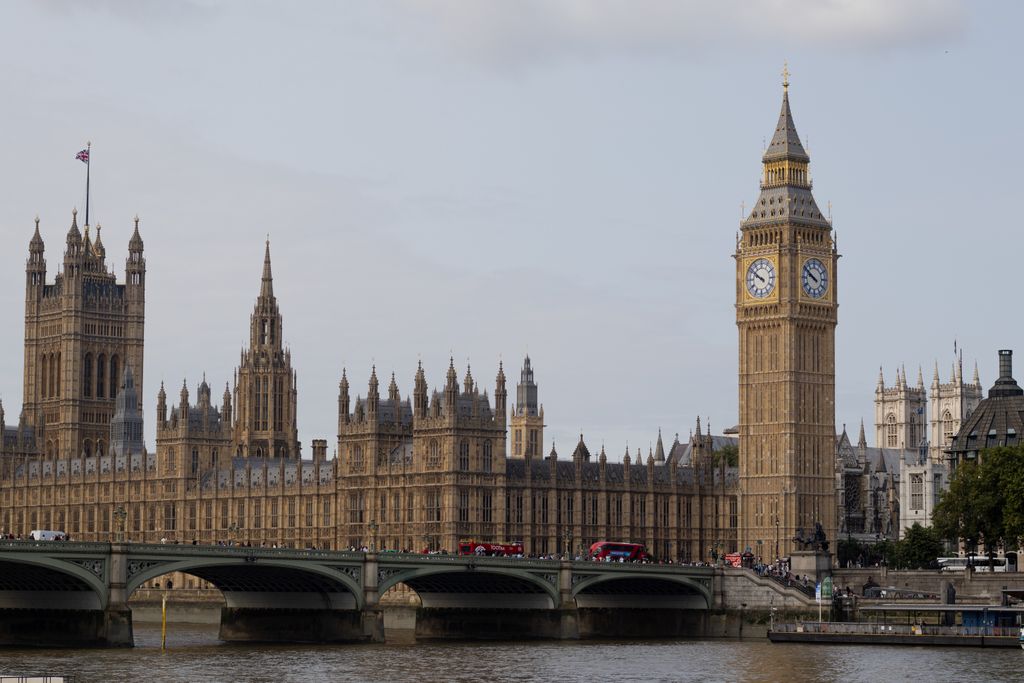
Great Britain is the largest island in Europe and includes England, Scotland, and Wales. It has played a significant role in world history, politics, science, and culture.
With famous landmarks such as Big Ben, Stonehenge, Edinburgh Castle, and the Lake District, Great Britain attracts millions of visitors every year.
10. Ellesmere Island
Area: Approximately 196,236 sq km
Location: Nunavut, Canada
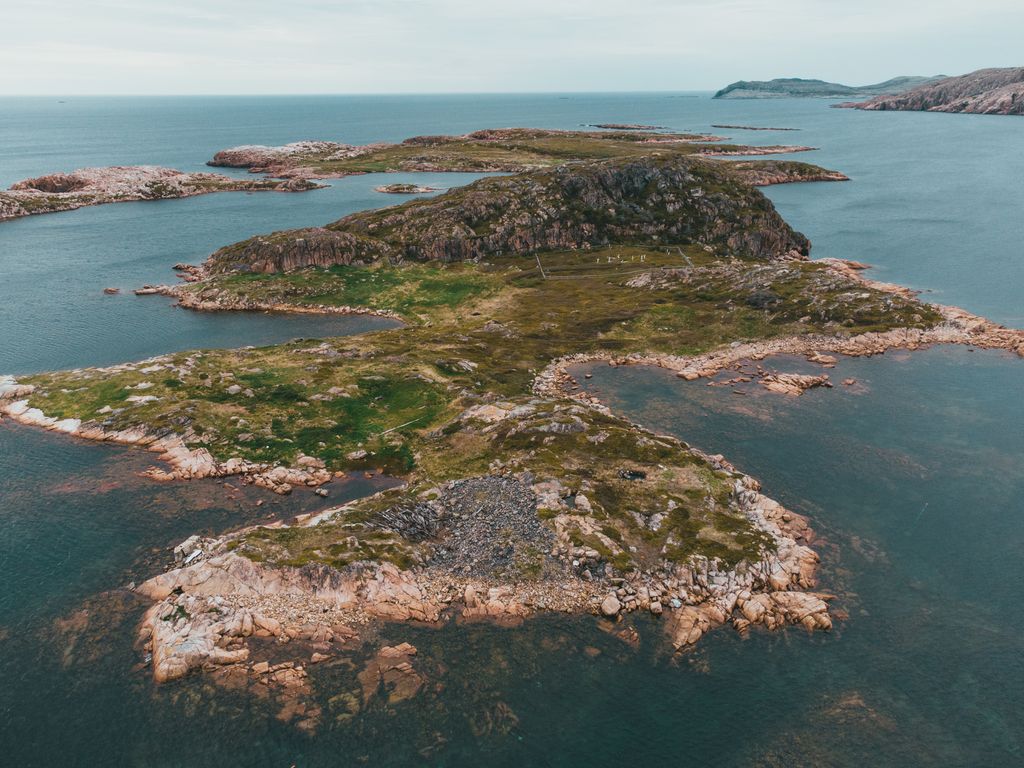
Ellesmere Island is Canada’s northernmost large island and one of the coldest inhabited places on Earth.
The island is covered with glaciers, rugged mountains, and polar deserts. It supports only a small human population, while Arctic wildlife such as polar bears, musk oxen, and Arctic hares thrive in its extreme environment.
Scientists from around the world visit Ellesmere Island to study glaciers, climate change, and Arctic ecosystems.
Why Are Large Islands Important?
Large islands contribute significantly to Earth’s environment, economy, and cultural diversity. They provide habitats for countless plant and animal species, many of which are found nowhere else. Islands also support agriculture, fisheries, tourism, renewable energy projects, and international trade.
Many of the world’s largest islands are at the forefront of climate change research because they are particularly vulnerable to rising sea levels, melting glaciers, and changing weather patterns. Protecting these islands helps preserve biodiversity and ensures the sustainability of ecosystems that millions of people depend upon.
Conclusion
The largest islands in the world showcase the remarkable diversity of our planet. From Greenland’s vast ice sheet and New Guinea’s dense rainforests to Madagascar’s unique wildlife and Great Britain’s historic cities, each island offers its own natural beauty and cultural significance.
Whether you’re a traveler, geography enthusiast, student, or nature lover, exploring these incredible islands provides a deeper understanding of Earth’s landscapes and the importance of conserving them for future generations. As climate change and environmental challenges continue to grow, protecting these extraordinary islands has become more important than ever.
Frequently Asked Questions (FAQs)
If you enjoy learning about Earth’s natural wonders, explore our guide to the Top 10 Highest Mountains in the World, featuring Mount Everest and other iconic peaks.
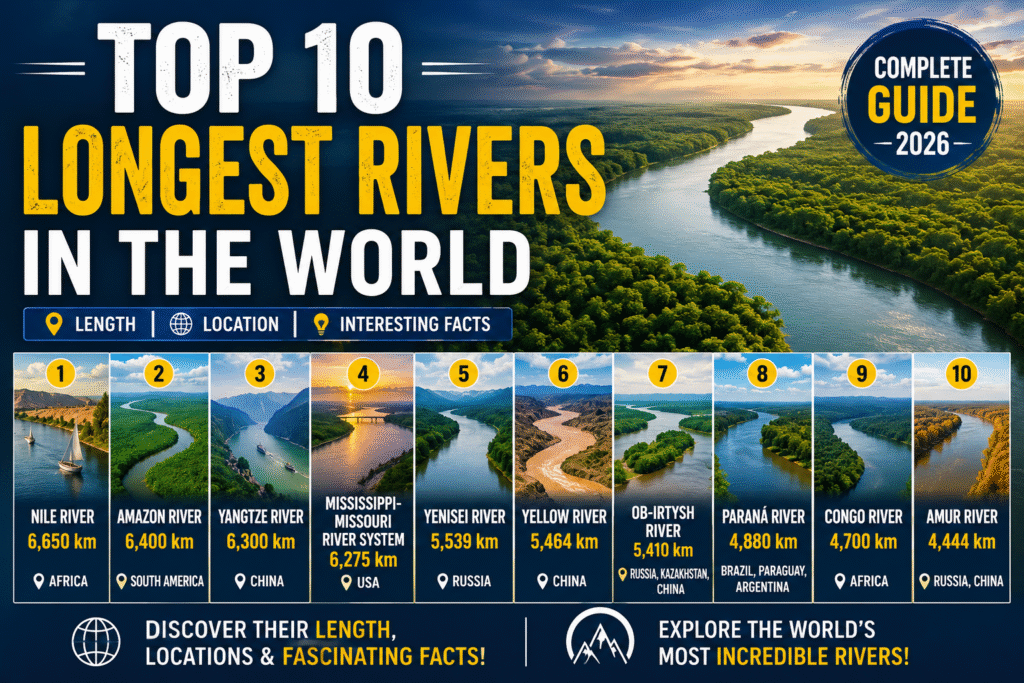
Continue your geography journey by discovering the Top 10 Longest Rivers in the World, including the Nile, Amazon, and Yangtze River.
Learn more about islands, wildlife, and geography from National Geographic.
Explore detailed geographical information about the world’s largest islands on Encyclopaedia Britannica.