
10 Surprising Ways Technology Is Changing the World in 2026
Introduction
Technology is evolving faster than ever before. From artificial intelligence and autonomous vehicles to biotechnology and blockchain, innovation is transforming how people live, work, communicate, and do business. In 2026, these advances are no longer science fiction—they are becoming part of everyday life. This article explores ten surprising technology trends that are changing the world and explains how they will influence businesses, education, healthcare, transportation, and our daily routines. Technology trends in 2026 are transforming how people live, work, communicate, and do business.

AI is Writing, Designing, and Coding Better Than Ever
Artificial Intelligence has gone from being a tool to a creative partner. Platforms like ChatGPT, Claude, and Midjourney are enabling individuals and businesses to generate full projects — from code to marketing campaigns — in minutes.
In 2025, AI contributes to over 30% of new digital content published online.
Space-Based Internet Is Connecting the Unconnected
Thanks to satellite constellations like Starlink and OneWeb, remote villages, deserts, and oceans now have broadband internet access.
As of early 2025, more than 5,000 satellites orbit Earth to keep the world online — narrowing the digital divide faster than any fiber network ever could.


Real-Time Translation Is Breaking Language Barriers
With AI-powered translation tools integrated into smartphones and AR glasses, people can speak in their native language and be instantly understood across the world.
By 2025, over 700 million people use real-time translation daily — transforming tourism, global work, and diplomacy.
Biotechnology Is Rewriting Medicine
Gene-editing tools like CRISPR-Cas9 are being used to treat rare diseases and even prevent inherited disorders.
Personalized medicine and technology trends — where treatments are tailored to your DNA — is becoming mainstream, offering hope for previously incurable conditions.


Autonomous Vehicles Are Finally Going Mainstream
After years of testing, self-driving cars and delivery drones have gained government approval in several major cities.
In 2025, autonomous taxis are operational in parts of the U.S., China, and Europe, reshaping transportation and logistics forever.
Brain–Computer Interfaces Are No Longer Sci-Fi
Companies like Neuralink and Synchron are testing brain chips that help paralyzed patients control digital devices just by thinking.
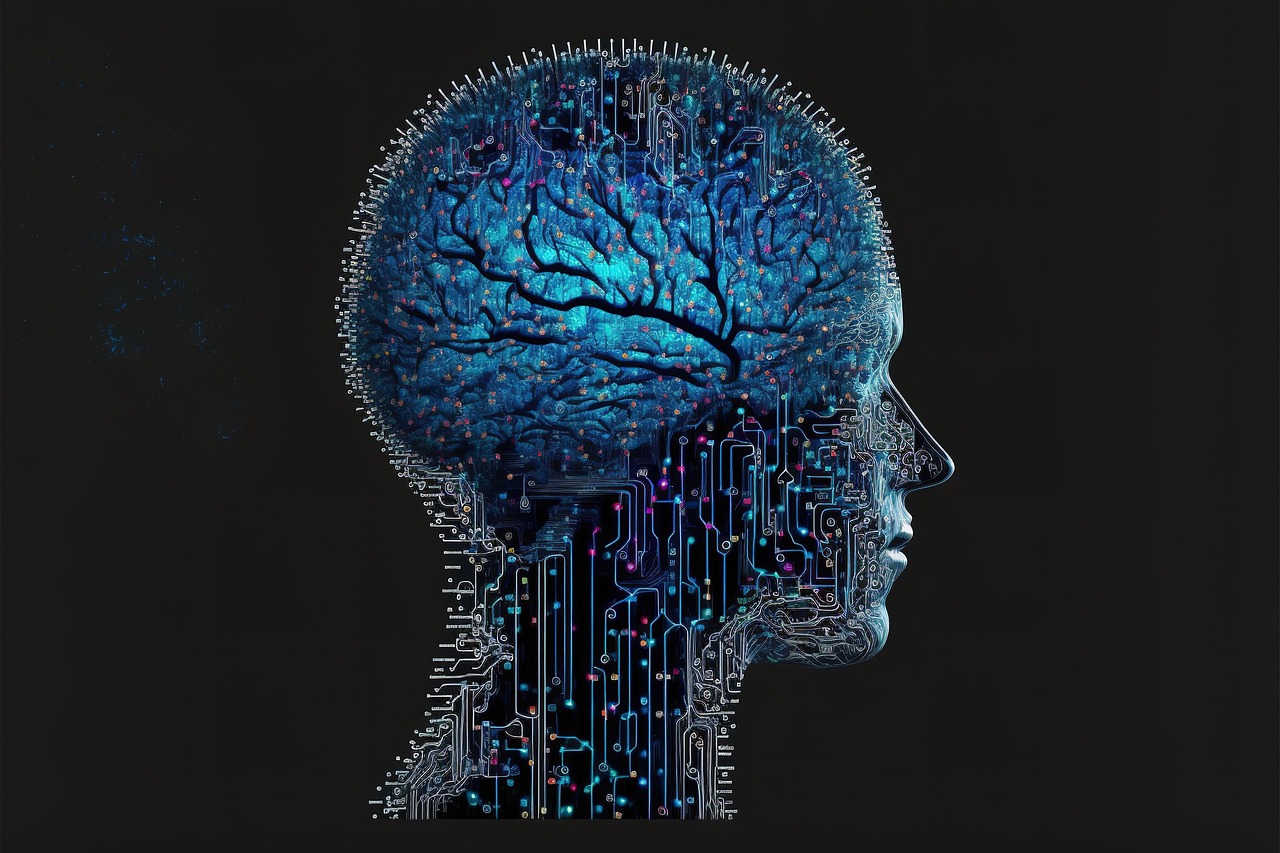
This breakthrough technology trends could soon allow humans to interact with technology using thought alone, blurring the line between biology and machine.

Green Tech Is Fighting Climate Change
From AI-managed energy grids to lab-grown meat, technology is at the center of the climate fight.
In 2025, technology trends global investment in clean tech surpassed $2 trillion, with renewable energy now producing over 35% of the world’s power.
Work Is Global — But Digital
Freelancers, remote workers, and AI collaborators form the backbone of the new digital economy.
Platforms like Upwork, Fiverr, and Deel now host millions of AI-assisted professionals, redefining what a “team” means in the 21st century.


The Metaverse Is Quietly Evolving Into the “Spatial Web”
While hype around the metaverse cooled, it’s quietly evolving into something far more practical: the spatial web.
Blending augmented reality, 3D internet, and technology trends real-world data, this technology will power industries from design to education in a seamless virtual–physical blend.
Digital Currency and Blockchain Are Powering Trust
Beyond cryptocurrency, blockchain now supports supply chains, contracts, and even voting systems.
In 2025, more than 100 countries are testing or deploying digital currencies (CBDCs) — paving the way for a more transparent financial world.

Conclusion
Technology and technology trends is not just about gadgets — it’s about transformation.
The changes happening around us in 2025 are redefining communication, healthcare, work, and the very nature of human connection. The challenge is to adapt wisely, use technology ethically, and make sure innovation benefits everyone — not just a few.
Frequently asked questions (faq)
What are the biggest technology trends in 2026?
Artificial intelligence (AI), biotechnology, autonomous vehicles, blockchain, space-based internet, real-time language translation, green technology, and brain-computer interfaces are among the most influential technology trends in 2026. These innovations are transforming industries and everyday life worldwide.
How is artificial intelligence changing the world?
Artificial intelligence is improving productivity by automating repetitive tasks, generating content, assisting with software development, enhancing healthcare diagnostics, and providing personalized customer experiences. AI is becoming an essential tool for businesses and individuals alike.
Will autonomous vehicles become common in the future?
Yes. Self-driving cars and autonomous delivery vehicles are becoming more reliable each year. While widespread adoption will take time, many cities are already testing or using autonomous transportation for public services and logistics.
Why is blockchain important beyond cryptocurrency?
Blockchain technology offers secure and transparent record-keeping. Beyond cryptocurrencies, it is used in supply chain management, digital identity verification, healthcare records, smart contracts, and financial transactions.
How does biotechnology improve healthcare?
Biotechnology enables advanced medical treatments such as gene editing, personalized medicine, rapid vaccine development, and innovative diagnostic tools. These technologies help doctors treat diseases more accurately and improve patient outcomes.
What is the future of space-based internet?
Satellite internet services are expanding high-speed internet access to remote and underserved areas around the world. This technology is expected to reduce the digital divide and provide reliable connectivity where traditional infrastructure is unavailable.
How can individuals prepare for future technology trends?
People can prepare by continuously learning digital skills, understanding AI tools, improving cybersecurity awareness, and staying informed about emerging technologies. Lifelong learning will be essential as technology continues to evolve.
Which industries will benefit most from future technology?
Healthcare, education, finance, manufacturing, transportation, agriculture, retail, and communication are expected to benefit significantly from emerging technologies through greater efficiency, innovation, and improved customer experiences.
Learn more about modern AI at OpenAI.
According to MIT Technology Review…
IBM explains how AI is transforming business.